

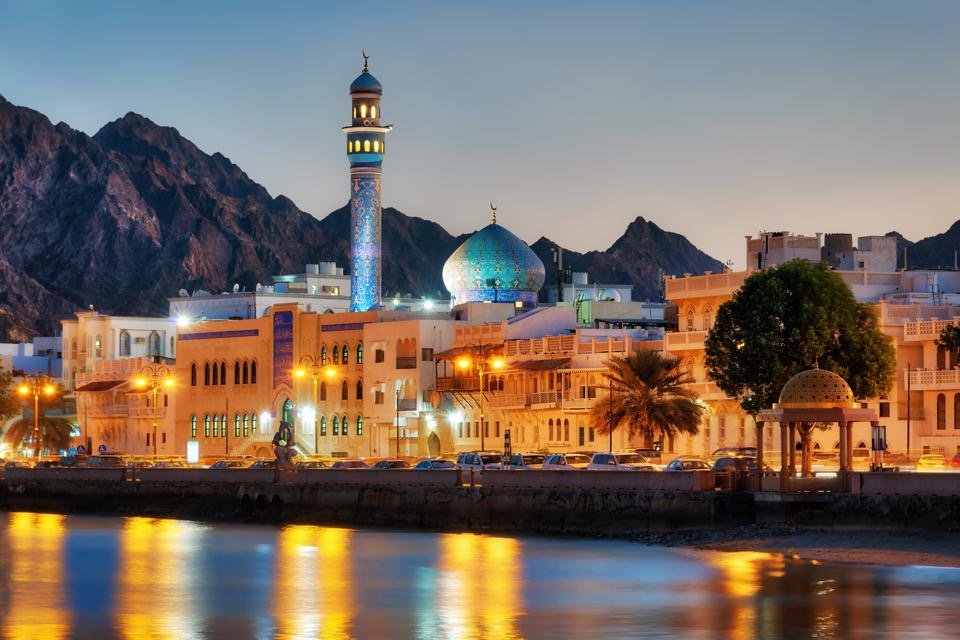
Oman – Desert Dreams & Golden Silence
TL;DR — For the Impatient Traveller
I first visited Oman in 2013 for work and ended up returning more than 100 times. What started as business trips slowly turned into something deeper. Friendships, road trips across deserts and mountains, and experiences that most tourists never see. From meetings with customers in their office to Eid celebrations in a remote mountain village with local families with them, Oman stopped feeling like a destination and started feeling like a second home.
Oman’s magic lies in its untouched landscapes; wadis like Wadi Shab, mountains like Jebel Shams and Jebel Akhdar, deserts like Wahiba Sands, and hidden adventures like Snake Canyon. Add places like Musandam’s fjords in the north and the green monsoon landscapes of Salalah in the south, and you realize how diverse this country truly is.
The Joke That Revealed My Love for Oman
Once an Omani friend, Yahya, asked me, “Why are you always so obsessed with Oman and praising it everywhere?”
I proudly replied, “Because it’s my 9th favorite country.”
He paused for a second and asked, “How many countries have you visited?”
When I said nine, we both laughed.
But jokes aside, Oman has a charm that quietly pulls you back. It feels like the introvert of the Middle East -humble, calm, and incredibly beautiful. Mountains rise suddenly from the desert, wadis carve emerald pools through the rocks, and the vast empty deserts stretch endlessly into golden silence.
It is one of the best countries in the world for road trips. If you happen to be riding a Harley through those long desert highways, with mountains on one side and the Arabian Sea somewhere beyond the horizon, the journey becomes almost meditative.
The Lost Mumbaikar says:
“Some countries impress you.
Oman quietly stays in your heart.”
A Country I Never Get Tired Of
Jokes apart, I have visited Oman more than 100 times since my first trip in 2013.
Most of those visits happened during my years at Motorola, when work would take me there sometimes twice a month. Over time, Oman stopped feeling like a destination and started feeling like a second home.
People would often joke with me in meetings:
“If you need anything in Oman, just ask Shiju. He is a friend of Sultan Qaboos.”
Of course that was an exaggeration, but it reflected something real. Omanis are among the warmest and most genuine people you will meet anywhere in the world.
Unlike many Gulf countries where locals are rarely seen outside government roles, Omanis are deeply connected to their society. Through work and friendships, I built relationships that went far beyond business. Many customers eventually knew my family as well.
During Eid celebrations, I was often invited into Omani homes. Those evenings were never about business; they were about hospitality, conversation, and the simple kindness of people who treat guests like family.
There are countless moments I could write about from Oman. But since this is my first blog about the country, I wanted to begin with the one experience that first hooked me. The truth is, Oman has given me a hundreds of stories.
A Hotel That Became Home
If there is one place in Oman that feels like my permanent address, it is the InterContinental Muscat at Al Shatti.
After so many visits, the hotel stopped feeling like a hotel. My room was often upgraded automatically, the staff knew me by name, and over the years I eventually became an IHG Ambassador member.
Every time I check in, the television screen welcomes me with their promotional videos in the room always shows a line that stayed with me:
“Travel is not a status symbol or a checklist. It is a collection of moments.
Travel is not an escape from life, but life not to escape us.
That sentence slowly became my life manifesto. No idea if you heard this video Intercontinental hotel rooms.
The hotel’s beach, restaurants, and even the lobby started feeling like familiar spaces. Many of the staff members know me and my family, and after hundreds of stays over the years, it truly feels like a second home.
Just nearby sits Trader Vic’s, where countless evenings were spent meeting customers. Officially they were business meetings, but after 8 PM, with conversations flowing until midnight, they often became something else entirely -moments, friendships, and stories.
Other places that became part of my Oman routine include the Grand Hyatt Muscat and the Grand Millennium Hotel Apartments, both places where work trips gradually turned into personal memories.
When Sales, Travel, and Legacy Meet
During my years working across Oman, I was fortunate to build relationships with plenty of customers across the country.
These ranged from defense organizations, airports to ministries and landmark institutions, even places like The Chedi Muscat, one of the most prestigious hotels in Oman where dignitaries often stay.
Oman’s business culture is very different from places like the UAE or Qatar.
Things move slower and more thoughtfully.
Projects take time. Decisions are rarely rushed. If you work in Oman, you quickly learn that success requires patience and persistence.
Many of my competitors never had that patience. Vendors like Motorola did not even have a direct office in Oman. Most people would simply fly in from Dubai for a day or two, meet their distributors or system integrators, and fly back.
My approach was different.
I spent my time with the end users themselves.
I sat with them, understood their needs, ran POCs, demonstrations, and technical discussions, and slowly built trust.
Many of those conversations eventually led to brand changes and approvals, turning those organizations into major accounts for Motorola at the time.
And that is a different kind of satisfaction.
Years later, when I visit Oman and drive past places like the airport, The Chedi, or the Royal Opera House, I feel a quiet sense of pride.
Those projects are not just buildings. They are reminders of the relationships, persistence, and work that went into building something meaningful.
Sales is often misunderstood. Many people think sales is only about orders, targets, and commissions.
It isn’t.
Real sales is about creating a legacy. Building trust so strong that even years later, the companies you once represented continue to benefit from the relationships you built.
In many ways, travel works exactly the same way.
You visit places, meet people, and continue with life. But one day you hear the name of that country again, or you meet someone from that place somewhere else in the world.
Suddenly memories return.
That is why I always say:
Travel is not just visiting places.
Travel is creating memories that quietly become part of who you are.
When Customers Become Family
One thing I learned in Oman is that business relationships rarely stay business for long. Over time, many of my customers slowly became family friends. Meetings that started in offices in Muscat would eventually turn into invitations. “Next time you come, you must visit my village.”
One such invitation came from my friend Mubarik during the Eid holidays. His village was deep in the mountains, almost 100 km beyond Rustak, far away from the city and the highways tourists usually follow. I decided to go there with my family, and my friend Bala also joined with his family. What started as a visit quickly turned into a small adventure.
Before reaching the village, Mubarik took us through one of Oman’s hidden treasures-Snake Canyon in Wadi Bani Awf. Tall rock walls, turquoise water, and silence all around. The kind of place that doesn’t appear in travel brochures but stays in your memory forever.
By the time we reached his family home, the entire place felt like a festival. Relatives had gathered from his village and preparations were underway for the famous Omani dish Shuwa — marinated meat wrapped in palm leaves and slow-cooked underground for hours. Julius and Jordan were already running around with the other kids, helping here and there like they belonged to the village.
That night, after dinner, Mubarik’s relatives started traditional Omani music around a fire outside the house. We sat there together. Families, friends, mountains, and silence talking and laughing until almost 3 AM. Meanwhile the kids had discovered their own adventure, burning dry branches and cleaning the area around the house like it was their mission.
The next morning Mubarik showed us his family fields in the mountains — fresh vegetables, dates straight from the trees, and bottles of pure wild mountain honey, which he gifted us before we left.
And that’s when I realized something.
The best travel memories are rarely planned. They happen when strangers become friends and a country slowly begins to feel like home.
Nature That Feels Untouched
Where the Desert Meets Water and Mountains
What makes Oman special is its natural diversity. For someone living in Dubai’s desert landscape, crossing the border into Oman almost feels like stepping into another dimension. Suddenly the sand gives way to mountains, wadis carve emerald pools through rock, and quiet coastal roads run beside the Arabian Sea.
In a single weekend you can experience the turquoise waters of Wadi Shab or Wadi Bani Khalid, the dramatic cliffs of Jebel Shams, endless golden dunes in Wahiba Sands, and peaceful drives along the sea. The landscapes feel raw and authentic, almost untouched by overdevelopment. Nature here moves slowly, confidently, without trying to impress anyone.
Maybe that is why Oman always feels refreshing to The Lost Mumbaikar living in Dubai. In a region dominated by glass towers and desert highways, Oman reminds you that water, mountains, and silence still exist together.
Some places that capture this beauty and visited endlessly are:
- Majlis al Jinn
- Snake Canyon (Wadi
- Bani Awf)
- Jebel Akhdar – The Green Mountain
- Wadi Shab
- Wahiba Sands
- Jebel Shams – The Grand Canyon of Oman
- Wadi Bani Khalid
- Ras Al Jinz Turtle Reserve
- Misfat Al Abriyeen
- Wadi Damm
Two places, however, feel like completely different worlds.
Musandam – The Norway of Arabia
At the far north of Oman, mountains plunge straight into the Arabian Sea, creating fjord-like landscapes. Cruising through these silent waters on a dhow, sometimes with dolphins swimming beside the boat, feels worlds away from the desert cities of the Gulf.
Salalah – Oman’s Green Miracle
In the south, Salalah transforms during the Khareef monsoon. Mist covers the mountains, waterfalls appear across the hills, and lush valleys replace desert colors — a landscape that feels almost tropical in the heart of Arabia.
Coming Next: How You Can Explore Oman
Having travelled across Oman for more than a decade and visited many of these places countless times, I have learned how to experience the country in different ways.
In the upcoming blogs, I will share:
- How to explore Oman in 2–3 days
- The perfect 7-day Oman road trip.
- A 10-day deep exploration across mountains, deserts, and coastlines
- Best time of the year to visit each region
If there is one country in the Middle East where I can confidently say I know the roads, the hidden corners, and the spirit of the place — it is Oman.
And if you ever decide to explore it, I would be happy to help you discover the real Oman beyond the tourist routes.
Your Turn
- Have you ever visited Oman, or is it still on your travel list?
- If you had to choose one experience, what would excite you more — a desert road trip, swimming in a hidden wadi, or exploring mountain villages?
- Would you prefer discovering well-known places like Wadi Shab, or exploring hidden gems that most tourists never find?
- If you had one week in Oman, would you rather explore the mountains, deserts, or coastline?
What matters more in travel for you — ticking destinations off a list or collecting stories that stay with you for life?
Leave a Reply