
How to Reach Machu Picchu: A Practical Guide for Every Traveler
The Lost Mumbaikar’s Guide to Reaching Peru’s Most Iconic Wonder
For years, Machu Picchu lived in my imagination as one of those places every serious traveler dreams about. The kind of destination that is not just a place, but a pilgrimage. Ancient, mysterious, perched high in the Andes as if history itself refused to come down.
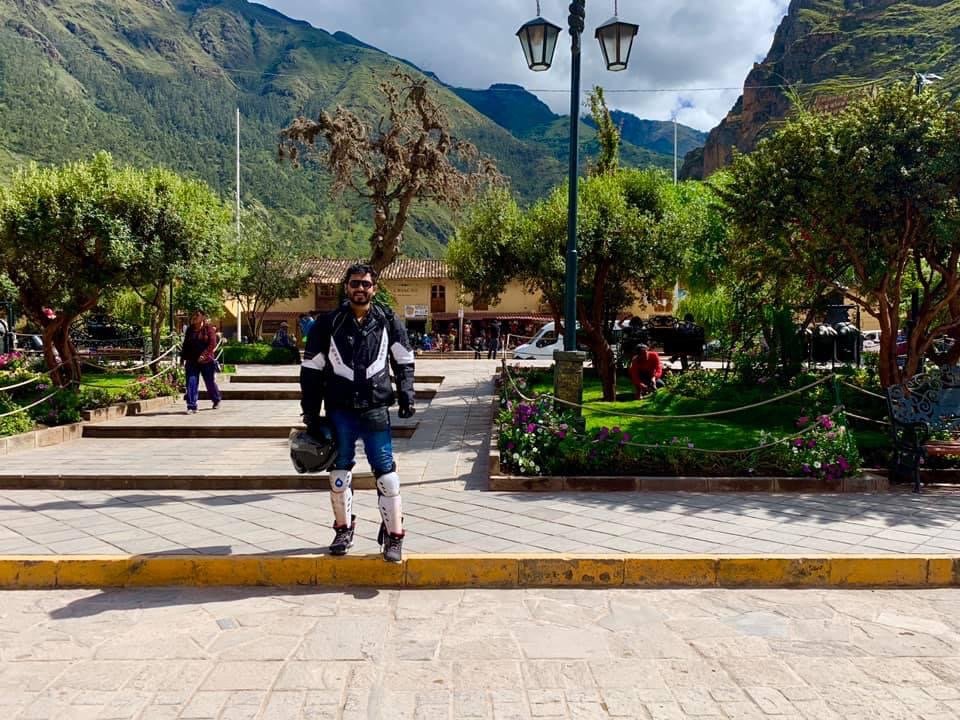
I once tried reaching Machu Picchu by motorbike, hoping to experience Peru travel the way I love most — slowly, through winding mountain roads, forgotten villages, unpredictable weather, and the kind of discomfort that makes journeys unforgettable. But the Andes had other plans. Heavy rain, altitude fatigue, and the brutal honesty of those mountains forced me to stop short and rethink the journey. I did not make it that time. And yes, that still stays with me.
But travel teaches something important. Not every unfinished journey is a failure. Some are simply postponed conversations with destiny. I know I will return one day, and when I do, Machu Picchu will still be waiting.
If you are curious about that biking adventure through Peru, I have written a separate blog about that journey.
This guide, however, is for everyone else — first-time travelers, families, comfort seekers, backpackers, and anyone wondering exactly how to reach Machu Picchu from Cusco without unnecessary confusion.
Step 1: Reach Cusco (Your Starting Point)
Almost every journey to Machu Picchu begins in Cusco, the historic capital of the Inca Empire and one of South America travel’s most atmospheric cities.
Ways to Reach Cusco:
- By Air: Daily flights from Lima (approximately 1 hour 20 minutes)
- By Road: Long-distance buses (20+ hours from Lima)
Unless you genuinely enjoy epic bus journeys, flying is the practical choice.
Important Travel Tip: Cusco sits at around 3,400 meters above sea level. Altitude sickness is real. Even if you feel fit, spend 1–2 days acclimatizing in Cusco before continuing toward Machu Picchu. Walk slowly. Stay hydrated. Avoid acting like a superhero on day one.
This pause in Cusco is not just practical — it’s part of the experience. The city itself is a treasure, and adjusting here makes the rest of your Cusco to Machu Picchu travel guide smoother and far more enjoyable.
Step 2: Cusco to Ollantaytambo (Sacred Valley)
Most trains to Machu Picchu depart from Ollantaytambo, not central Cusco.
📍 Ollantaytambo
https://maps.google.com/?q=Ollantaytambo,+Peru
- Taxi/Van from Cusco:5–2 hours
Why stay here?
Lower altitude, calmer pace, easier early-morning trains
Step 3: Train to Aguas Calientes (Machu Picchu Town)
This is the most common and comfortable route.
Important reality check: There are no public roads directly to Machu Picchu. Which means unless you trek, the train is your main route to Aguas Calientes (also called Machu Picchu Pueblo).
Train Operators:
- PeruRail
- Inca Rail
Journey time: Approximately 1.5 to 2 hours from Ollantaytambo.
And this is no ordinary train ride. Expect:
- dramatic cliffs
- river valleys
- cloud forests
- cinematic Andean scenery
This part alone feels like the destination has already begun.
Booking Tip
Train tickets sell out quickly in peak season. Book early, especially if traveling:
- May to September
- weekends
- school holidays
Alternative Route: Hydroelectric for Budget Travelers
Want the cheaper adventure route? There is another option.
Hydroelectric Station Route
- Route: Cusco → Santa Teresa → Hydroelectric → walk to Aguas Calientes
- Reality: 7–9+ hours, rough roads, less comfort, unpredictable timing
This route works if:
- you are flexible
- traveling on a tighter budget
- enjoy rougher adventure
Not ideal if traveling with family, elderly parents, or limited time.
Step 4: Aguas Calientes to Machu Picchu
Now for the final stretch.
Two Options to Reach the Entrance:
Shuttle Bus (Recommended)
- 25–30 minutes
- Comfortable and energy-saving
- Best for families, first-time travelers, and anyone preserving energy for exploring
Hike Up
- 1.5 to 2 hours
- Steep uphill, physically demanding
- Rewarding, but not easy
If sunrise entry matters, buses start early. The shuttle bus from Aguas Calientes to Machu Picchu is the most practical choice for most travelers, while the hike appeals to those seeking a challenge.
Machu Picchu Entry Tickets (Critical)
This is where many travelers make costly mistakes. You cannot simply show up and hope for the best.
Important:
- Tickets are mandatory
- Time-slotted entry applies
- Visitor flow is controlled
- Circuits determine where you can walk
Additional tickets are needed for:
- Huayna Picchu
- Machu Picchu Mountain
Turn up without tickets and your dream day may end at the gate.
Booking Tip:
- Book in advance — non-negotiable.
- Online booking is the easiest way. Use the official site for your Machu Picchu tickets.
- If you plan to climb Huayna Picchu or Machu Picchu Mountain, secure those permits early.
This section is where a Machu Picchu entry ticket guide becomes invaluable. Knowing the circuits, rules, and booking process ensures your day goes smoothly.
Best Time to Visit Machu Picchu
Dry Season (May–September)
- Clearer skies
- Better mountain visibility
- Easier walking
- Downside: more crowds, higher prices
Green Season (November–March)
- Lush scenery
- Fewer tourists
- Moodier photography
- Downside: rain, slippery conditions, occasional delays
Best Balance:
April and October Often the sweet spot between weather and crowds.
For first-time visitors, the best time to visit Machu Picchu in Peru depends on your priorities — clear views, fewer tourists, or budget flexibility.
Final Thoughts: Reaching Machu Picchu Is More Than Just a Journey
If you have been wondering how to reach Machu Picchu, the good news is this: you do not need to be an extreme adventurer, elite trekker, or someone chasing hardship to experience one of the world’s most iconic travel destinations.
Whether you choose the scenic train from Cusco to Machu Picchu, the budget-friendly Hydroelectric route, or a full trekking adventure, the real secret is simple: plan wisely, respect the altitude, and give yourself time to enjoy the journey.
I did not make it to Machu Picchu on my first attempt. The Andes had different plans. But perhaps that is why this dream still feels unfinished in the best possible way. Some destinations are not meant to be rushed. They wait for the right version of you.
Machu Picchu is not just another bucket-list destination in Peru. It is a reminder that some journeys are less about arrival and more about patience, perspective, and persistence.
And one day, I will stand there too. Not to conquer it. But to finally meet a dream I have carried for years.
The Lost Mumbaikar Says:
“Some places test your endurance. Machu Picchu tests your patience, and rewards your persistence.”

Leave a Reply