
Two Are Better Than One in Travelling
“Two are better than one, because they have a good reward for their labor… and a cord of three strands is not quickly broken.” Ecclesiastes 4:9–12
How Family Travel Changed The Lost Mumbaikar Forever
I have travelled to more than 90 countries, and if you asked the younger version of me what freedom looked like, I would have said this: a motorcycle, an open highway, a tank full of fuel, no itinerary, and nobody asking where I was going. Before airports, visas, immigration counters, and passport stamps became routine, India was my first classroom on two wheels. My bike was freedom. My highways were therapy. Dusty roads, roadside chai, wrong turns, broken maps, conversations with strangers, and instincts stronger than any GPS. That was where my love for solo travel truly began. Back then, I genuinely believed the road belonged to those brave enough to walk it alone. Solo journeys taught me independence, resilience, and the strange comfort of getting lost. They shaped the man who would one day become The Lost Mumbaikar. But life has a beautiful way of proving that some beliefs are only half-truths.
Then came Sunitha.
At first, it was simple. Frequent trips to Goa. Weekend escapes near Mumbai. Nothing dramatic. Just two people slowly discovering that couple travel often creates deeper travel memories than solo adventures. Shared laughter, shared mistakes, shared discoveries — the beginnings of a philosophy that travel together often means growing together.
Then life moved me from Qatar to Dubai, and somewhere between career shifts, changing countries, and a restless hunger for something bigger, The Lost Mumbaikar was truly born. But if I am honest, the biggest transformation did not happen because I travelled farther. It happened because life gave me reasons to travel deeper.
For years, as I mentioned in an earlier blog, my passport was almost “rotting” in my father’s drawer in Morak, more a symbol of postponed dreams than lived adventures. Then life changed in the most beautiful way. Julius came into my life, and with him came my first international travel journey — a reminder that sometimes our biggest blessings arrive disguised as responsibilities. Some people call it luck. I call it gratitude. Because not everyone gets the fortune to see the world when they want to. Sometimes life opens that door only when the timing is right.
And then came Jordan. By then, Dubai had happened, opportunities had widened, and travel no longer remained an occasional escape. It became a way of life. Roads multiplied, countries blurred, and journeys became stories. That was when I truly became The Lost Mumbaikar; not lost in direction, but beautifully lost in discovery.
Because sometimes, dreams do not happen when you are ready. They happen when life quietly decides you are ready enough to appreciate them. And that is the true benefit of family travel — it teaches you that timing, relationships, and shared experiences matter more than destinations.
When the Boys Started Shaping the Journey
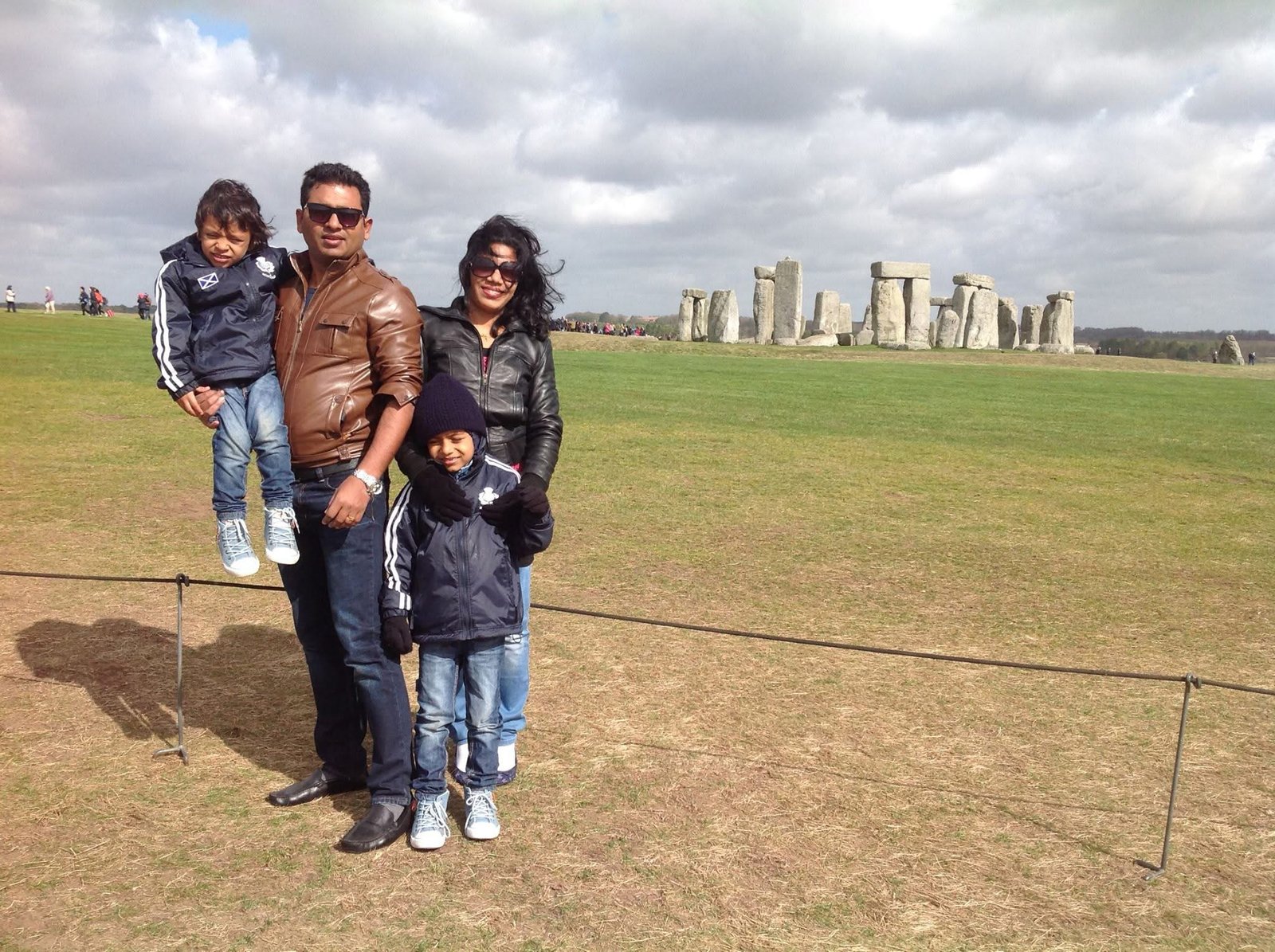
Our first major international family travel memory was Egypt in 2012, during the uncertainty of the Arab Spring. Most people would have postponed. We went anyway. Jordan was just one year and one month old. Logic would say he should remember nothing. Yet somehow, years later, when he sees our old photos standing before the Pyramids of Giza, his first visit to a zoo, or that unforgettable moment holding a tiny baby crocodile, he reacts as if a fragment of that story still lives somewhere inside him. Maybe travel memories with family begin earlier than we realise. Maybe children remember emotions before they remember events.
That trip was not just a holiday. It was the beginning of something much bigger. What started as a couple discovering the world became a family writing its story across 40 countries through family adventures, road trips, and unforgettable journeys.
And then came Julius and Jordan, who transformed travel yet again. Today, I may still drive the RV, book the flights, and obsess over routes, but increasingly, the boys shape the journey. Julius especially has developed a deep curiosity for history, particularly World War II sites, concentration camps, battlefields, and places where humanity’s darkest chapters unfolded. Watching him at Normandy’s D-Day site was one of those parenting through travel moments that quietly stays with you forever. There was no childish distraction. No impatience. No boredom. Just silence, seriousness, and reflection far beyond his years.
I remember rain beginning to fall heavily while I shouted from the RV for him to come in, worried about the weather, only to realise he was angry at being interrupted. Not because he wanted to disobey me, but because in that moment, he was emotionally present in a place that demanded reflection. That was when I realised travel had become more than sightseeing. Sometimes, our children teach us how to see the world differently. It had become travel education. Perspective. Character building.
Jordan brings a different energy. Curiosity, humour, spontaneity. Together, they transformed travel from something I did into something we became. That is the true benefit of family travel with kids — it shapes not just itineraries, but personalities, values, and the way we see the world.
Why Two Are Better Than One, and Four Even Better
Of course, family travel is not Instagram perfection. It is not just scenic road trips, luxury hotels, and smiling family photos. It is also stress, missed exits, wrong bookings, broken plans, lost belongings, arguments, and moments where patience disappears faster than mobile signal in rural Europe. I still remember losing my DSLR camera in Croatia while Sunitha stood nearby, quietly hiding tears behind dark sunglasses as police questioned us. I remember the freezing frustration of Finland after I dented the roof of our RV while chasing the Northern Lights, convinced I had ruined the trip. But what happened next changed me. My children, still young then, laughed it off. Comforted me. Helped shrink what felt enormous in my mind. Suddenly I understood something powerful. Two are better than one. Because when one person loses perspective, the others restore it. When one person gets overwhelmed, someone else carries the emotional luggage. When one loses patience, another brings humour. Family bonding does not eliminate storms. It simply makes them survivable.
Solo travel vs family travel taught me two different lessons. Solo journeys showed me how to discover myself. Family journeys taught me why coming back matters. I still love solo roads. I still understand the magic of silence, reflection, and wandering without explanation. But the greatest luxury in travel is not business class, five-star resorts, or perfect itineraries. It is having the right people beside you when plans fail, roads break, children fall asleep in the back seat, old songs play for the hundredth time, and life reminds you that the journey is never really about destinations. Countries may impress you. Landscapes may inspire you. But family adventures change you forever.
The Lost Mumbaikar way:
“Roads are beautiful when travelled alone. But storms are survived when four souls refuse to let one fall.”
Your Turn
- Has family travel changed your life too? Or are you still waiting for that one journey that becomes more than just a holiday?
Frequently Asked Questions
1. Why is family travel important?
Family travel is important because it creates shared experiences, strengthens bonds, and teaches resilience. Beyond sightseeing, it becomes education, perspective, and character building, helping children and parents grow together while creating lifelong memories.
2. How does solo travel differ from family travel?
Solo travel builds independence, reflection, and personal growth, while family travel emphasizes connection, bonding, and shared lessons. Both are transformative, but family journeys remind us that the greatest luxury is having loved ones beside us when plans fail or storms arrive.
3. What are the benefits of traveling with children?
Traveling with children teaches patience, perspective, and adaptability. Kids often bring curiosity, humor, and spontaneity, turning trips into meaningful adventures. These experiences help them learn about the world while shaping values, resilience, and emotional growth.
4. How do road trips strengthen family bonds?
Road trips strengthen family bonds by combining adventure with shared challenges. From missed exits to laughter over old songs, these journeys remind families that travel is not about destinations but about surviving storms together and creating lasting memories.
5. Can family travel change your perspective on life?
Yes, family travel changes your perspective by teaching gratitude, patience, and the value of shared experiences. It shifts focus from destinations to relationships, showing that the true reward of travel lies in how journeys transform families forever.



Leave a Reply