

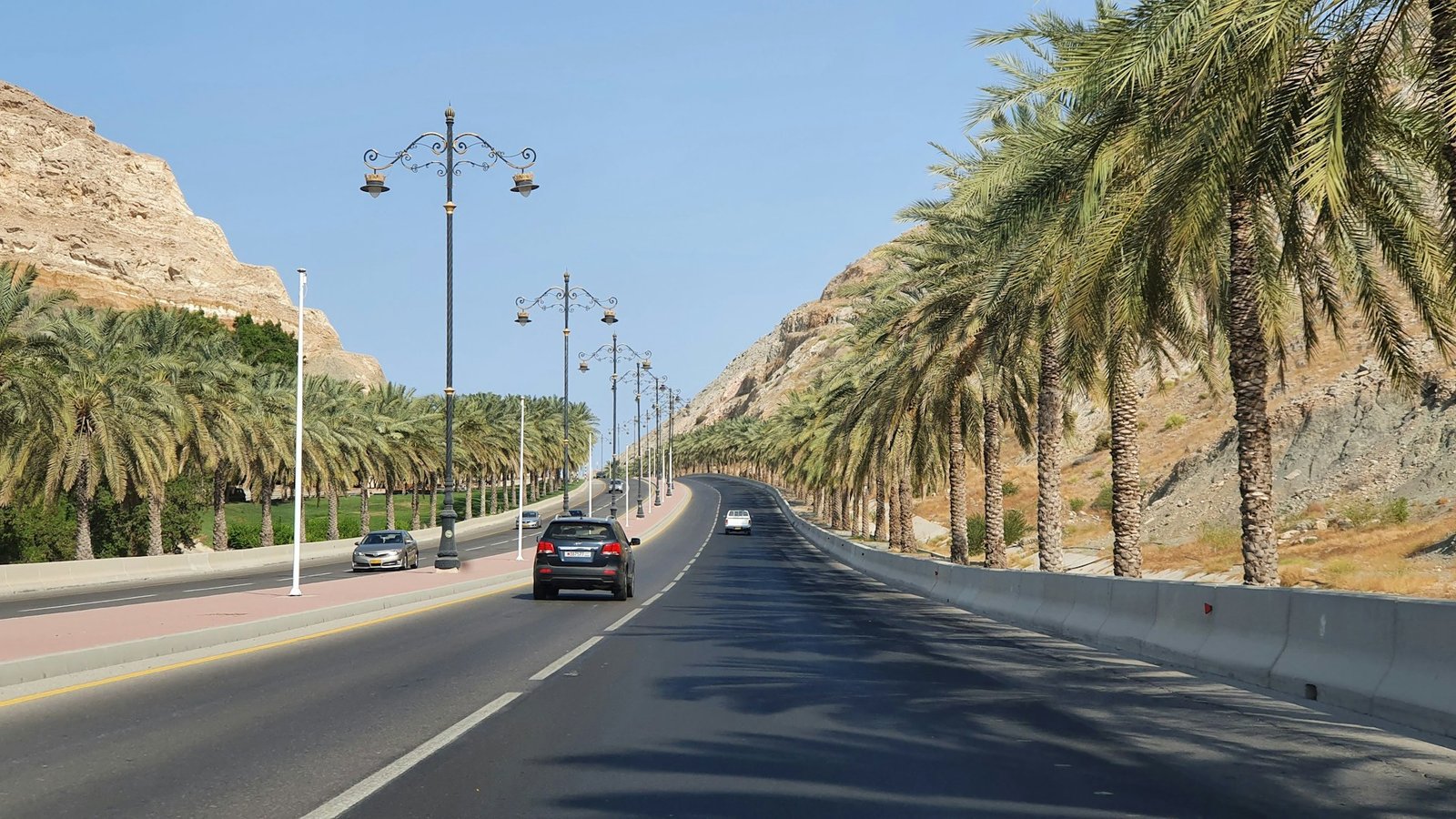
The Ultimate UAE to Oman Road Trip Guide: Everything I Learnt After 100+ Drives
The Ultimate UAE to Oman Road Trip Guide: Everything I Learnt After 100+ Drives
If you’ve read my previous blogs, you’ll already know that Oman is one of my favourite countries in the world. Out of nearly 100 countries I’ve travelled to, Oman comfortably sits in my personal top ten. That might surprise many people.
When travellers think of the Middle East, destinations like Dubai, Abu Dhabi, Riyadh or Doha usually come to mind. But for me, Oman offers something completely different. It isn’t about record-breaking skyscrapers or luxury shopping malls. It’s about dramatic mountains, untouched beaches, ancient forts, friendly people, scenic coastal drives and a pace of life that instantly makes you slow down.
Perhaps that’s why I’ve driven there more than 100 times.
Every long weekend, every Eid holiday or whenever I simply wanted a break from city life, Oman was always my first choice. Even after crossing the UAE–Oman border so many times, I still get excited the moment the Hajar Mountains begin to appear on the horizon.
For me, Oman has never felt like just another neighbouring country, it feels like home away from home.
The Lost Mumbaikar Says:
“The beauty of Oman isn’t just in its mountains or coastline. It’s in the unhurried way life unfolds, reminding you that the best journeys are measured in moments.”
Why Every UAE Resident Should Experience an Oman Road Trip
Living in the UAE gives you something very special.
Within a few hours’ drive, you can leave behind the skyscrapers of Dubai or Abu Dhabi and find yourself driving through rugged mountain passes, peaceful fishing villages, endless desert landscapes and spectacular coastlines.
That’s why an Oman road trip from Dubai or an Oman road trip from Abu Dhabi has become something of a tradition among UAE residents.
Whenever there’s a public holiday, Eid break or National Day weekend, thousands of families pack their cars and head towards Oman.
And honestly…
I completely understand why.
The journey itself is just as memorable as the destination.
Unlike many international holidays that begin with airports, immigration queues and delayed flights, driving to Oman feels refreshingly simple. You leave home after breakfast and, within a few hours, you’re already crossing an international border and entering a country that feels wonderfully different.
The roads are excellent, the scenery changes dramatically, and every drive offers something new.
The Road Is Part of the Experience
One of the biggest mistakes first-time visitors make is treating the drive as something they simply need to complete before reaching Muscat.
Don’t.
Some of my favourite memories in Oman have happened between destinations rather than at them.
Even today, I still stop whenever a beautiful landscape catches my attention. It’s become a family tradition. Somewhere on the drive between the UAE border and Muscat, we’ll pull over in a quiet corner of rural Oman, find the shade of a lone tree and unpack the homemade biryani that Sunitha prepared before we left home. I still remember doing exactly the same thing when Julius and Jordan were just two and four years old. Years have passed, they’ve grown into teenagers, yet we still stop under that tree or another just like it to share a simple home-cooked meal before continuing the journey.
Why I’m Writing This Guide
One question appears in my inbox more than almost any other.
“I’m planning to drive to Oman from the UAE. What documents do I need?”
Followed immediately by…
“Which border crossing should I use?”
Then…
“How much will it cost?”
“Can I take my financed car?”
“What if it’s a company vehicle?”
“Do I need Oman insurance?”
“Is driving in Oman easy?”
After answering the same questions countless times, I realised one thing.
There wasn’t a single guide that brought everything together from the perspective of someone who has actually made the journey over and over again.
So I decided to write the guide. I wish, I’d had before my very first UAE to Oman road trip.
This isn’t a blog about the best places to visit in Oman, the perfect 7-day Oman itinerary or things to do in Muscat.
Those deserve their own detailed guides.
Instead, this article focuses on everything that happens before your holiday really begins. Planning the drive, preparing your documents, choosing the correct border crossing and making sure your journey starts smoothly.
What This UAE to Oman Road Trip Guide Covers
Whether it’s your first drive to Oman or your fiftieth, good preparation makes all the difference. After more than 100 trips across the border, I’ve learnt that most travel problems can be avoided before you even leave your driveway.
In this guide, I’ll cover:
Different UAE–Oman Border Crossings
Not every border crossing serves the same purpose. I’ll explain the major UAE–Oman border crossings, where they’re located and which one is most suitable depending on whether you’re travelling to Muscat, Nizwa, Jebel Akhdar, Sur, Musandam (Khasab) or even Salalah.
Which Border Crossing Should You Use?
Choosing the right border can save both time and unnecessary driving. I’ll explain which crossing, I personally recommend for different routes and why many first-time travellers accidentally choose the wrong one.
Documents You’ll Need
We’ll go through every document required before leaving the UAE, including passports, UAE residence requirements, driving licence, vehicle registration (Mulkiya), Oman vehicle insurance, financed vehicle requirements, company vehicle permissions, rental car rules and other important paperwork.
Visa & Immigration Procedures
I’ll explain exactly what happens during the border crossing process from leaving the UAE and completing immigration to entering Oman, customs procedures, expected waiting times and useful tips that make the crossing much smoother.
Vehicle Requirements
Not every vehicle can automatically cross into Oman. We’ll cover private vehicles, financed cars, company vehicles, rental vehicles, insurance requirements and important restrictions you should know before travelling.
Border Charges & Travel Costs
I’ll break down the expected costs, including UAE exit fees, Oman visa charges (where applicable), vehicle insurance, fuel expenses and other costs you should budget for before starting your road trip.
Driving in Oman
Driving in Oman is one of the highlights of the journey. I’ll share practical advice on road conditions, speed limits, mountain driving, fuel stations, mobile coverage, navigation, emergency numbers and local driving etiquette.
Journey Times
I’ll provide realistic driving times from Dubai, Abu Dhabi, Sharjah and Al Ain to popular destinations including Muscat, Nizwa, Sur, Khasab and Salalah, along with realistic border crossing times.
Common Mistakes to Avoid
Finally, I’ll share the mistakes I’ve seen travellers make repeatedly over the years from forgetting Oman insurance and choosing the wrong border crossing to carrying incomplete paperwork or assuming every rental car is permitted to enter Oman.
By the end of this guide, you’ll have everything you need to confidently plan one of the most scenic and rewarding road trips from the UAE.
Different UAE–Oman Border Crossings
One of the biggest misconceptions among first-time travellers is that there is only one border crossing between the UAE and Oman.
In reality, there are several official crossings, and choosing the right one depends entirely on where you’re heading.
Some crossings are ideal if you’re driving to Muscat or Nizwa, while others are designed for travellers visiting Musandam (Khasab) or continuing further south towards Salalah.
Choosing the correct border crossing can save you hours of driving and make your journey much smoother.
1. Hatta – Al Wajajah Border (The Most Popular Crossing)
If you’re driving from Dubai to Muscat, Nizwa, Jebel Akhdar, Sur or most destinations in northern Oman, this is the border crossing you’ll probably use.
It’s the busiest crossing between the UAE and Oman and the one I’ve personally used the most over the years.
Once you leave Dubai, the drive towards Hatta is smooth and straightforward. After completing immigration, you’ll continue through the beautiful Hajar Mountains before joining Oman’s excellent highway network towards Muscat.
Best For
- Muscat
- Nizwa
- Jebel Akhdar
- Jebel Shams
- Sur
- Wahiba Sands
- Ras Al Hadd
Approximate driving time from Dubai to the border is around 1½ hours, depending on traffic.
2. Khatmat Malaha Border
Located near Fujairah and Kalba, Khatmat Malaha Border is another popular crossing for travellers heading towards northern Oman.
Many people travelling from Sharjah, Fujairah or the UAE’s East Coast prefer this route.
The roads are generally quieter than Hatta, making it an excellent alternative during busy holiday periods.
Best For
- Sohar
- Muscat
- Northern Oman
- East Coast travellers
3. Mezyad Border (Al Ain)
If you’re starting your journey from Abu Dhabi or Al Ain, the Mezyad Border is often the most practical option.
Rather than driving all the way to Hatta, this crossing provides easier access into central Oman before continuing towards Muscat or Nizwa.
Best For
- Abu Dhabi residents
- Al Ain residents
- Nizwa
- Muscat
- Interior Oman
4. Tibat Border (Musandam)
Planning to visit Musandam?
This is where many first-time travellers make a costly mistake.
Musandam is separated from the rest of Oman by the UAE, so you don’t use the same border crossing as someone travelling to Muscat.
The Tibat Border is the preferred crossing if you’re driving to Khasab, famous for its fjords, dhow cruises and mountain scenery.
Best For:
- Khasab
- Musandam Peninsula
- Jebel Harim
Which Border Crossing Should You Use?
Here’s a simple guide.
Destination | Recommended Border Crossing |
Muscat | Hatta – Al Wajajah |
Nizwa | Hatta – Al Wajajah or Mezyad |
Jebel Akhdar | Hatta – Al Wajajah |
Jebel Shams | Hatta – Al Wajajah |
Sur | Hatta – Al Wajajah |
Wahiba Sands | Hatta – Al Wajajah |
Sohar | Khatmat Malaha |
Khasab (Musandam) | Tibat Border |
Salalah | Hatta – Al Wajajah (then continue south) or Mezyad depending on your starting point |
Documents Required Before Leaving the UAE
This is probably the section you’ll come back to before every Oman road trip. Before you leave home, double-check that you have everything below.
Personal Documents With You:
- Passport (minimum six months validity recommended)
- Emirates ID (for UAE residents)
- UAE Residence Visa (if applicable)
- Valid UAE Driving Licence
- Oman Visa (if required for your nationality)
Keep both digital and printed copies wherever possible. Indians don’t need visa with Emirates ID or having US visa.
Vehicle Documents
You’ll need:
- Original Vehicle Registration Card (Mulkiya)
- Valid Oman Motor Insurance (Orange Card or border insurance)
- Vehicle must be legally registered
Border officers may ask to inspect these documents before allowing you to enter Oman.
If Your Car Has a Bank Loan
Many people ask me this. If your vehicle is financed, check your bank’s latest policy before travelling.
Some banks require a No Objection Certificate (NOC) before allowing the vehicle to leave the UAE, while others may not. Since policies can change, it’s always best to confirm directly with your lender a few days before departure.
If You’re Driving a Company Vehicle
If the vehicle belongs to your employer, carry:
- Company NOC permitting travel to Oman
- Copy of the company’s trade licence (if requested)
Without proper authorisation, you may not be permitted to cross the border.
If It’s a Rental Car
Not every rental company allows vehicles to enter Oman.
Before booking, confirm:
- Cross-border travel is permitted.
- Oman insurance is available.
- The rental company will issue the required authorisation letter.
Never assume you can simply drive across the border with a rental vehicle.
Border Crossing Process
Many people imagine the border crossing to be complicated. In reality, it’s usually quite straightforward. The process generally looks like this:
Step 1
Arrive at the UAE border and complete the exit immigration formalities.
Step 2
Pay the UAE exit fee (where applicable).
Step 3
Drive to the Oman immigration checkpoint.
Step 4
Complete passport control, visa formalities and customs procedures.
Step 5
Present your vehicle registration, insurance and other required documents if requested.
Step 6
Once everything is approved…
Welcome to Oman.
On normal weekdays, the process is often completed quite quickly. However, during Eid holidays, National Day weekends and other long public holidays, queues can become significantly longer.
My advice?
Start early.
You’ll avoid both border traffic and the afternoon heat.
Border Charges & Estimated Oman Road Trip Costs
One of the questions I’m asked most often is, “How much does a road trip to Oman actually cost?”
The good news is that Oman is one of the most affordable international road trips you can take from the UAE. If you’re travelling with family or friends, sharing fuel and accommodation makes the journey even better value.
Your total cost will depend on your nationality, the number of days you’re travelling, the type of accommodation you choose and how much you plan to drive, but these are the expenses you should budget for before leaving the UAE.
- UAE Exit Fee
- Oman Visa (if applicable for your nationality)
- Oman Vehicle Insurance (if your UAE insurance doesn’t already cover Oman)
- Fuel
- Hotel Accommodation
- Food & Drinks
- Mobile SIM Card or International Roaming
- Attraction Entry Fees (Optional)
The Lost Mumbaikar’s Tip
I always recommend carrying a small amount of Omani Rials for cafés, local shops and smaller businesses, although credit and debit cards are widely accepted throughout the country.
Driving in Oman – What You Should Know
One reason I keep returning to Oman is because it’s simply a pleasure to drive there. The roads are among the best in the Middle East, drivers are generally courteous and the scenery changes dramatically every few hours.
However, there are a few things every first-time visitor should know.
- Speed limits are strictly enforced with speed cameras across the country.
- Fuel stations are easy to find along major highways, but can be less frequent in remote mountain regions.
- Google Maps works very well throughout Oman, although I still recommend downloading offline maps before leaving the UAE.
- Mobile coverage is excellent in cities and along highways but may be limited in remote valleys and mountain areas.
- If you’re planning to visit Jebel Akhdar, remember that only 4WD vehiclesare permitted beyond the police checkpoint.
- Avoid driving through wadis after heavy rainfall, as flash floods can occur without warning.
- Night driving is generally safe, but be extra cautious in rural areas where goats, camels and other animals occasionally wander onto the road.
- Always carry drinking water, especially during the summer months or when travelling through remote regions.
Driving in Oman isn’t something to worry about, it’s one of the highlights of the entire trip.
Approximate Journey Times
The UAE and Oman may be neighbouring countries, but travel times vary considerably depending on your destination.These are realistic driving times, excluding extended sightseeing stops.
Route | Approximate Driving Time* |
Dubai → Muscat | 4.5–5.5 Hours |
Abu Dhabi → Muscat | 5.5–6.5 Hours |
Sharjah → Muscat | 4–5 Hours |
Al Ain → Muscat | 4–5 Hours |
Dubai → Nizwa | 4–5 Hours |
Dubai → Jebel Akhdar | 5–6 Hours |
Dubai → Khasab (Musandam) | 3–4 Hours |
Dubai → Salalah | 12–14 Hours |
*Border waiting times, holiday traffic and weather conditions can affect these estimates.
The Lost Mumbaikar’s Tip
If you’re travelling during Eid holidays or a long weekend, leave as early as possible. Reaching the border before the morning rush can save a significant amount of time and gives you an entire day to enjoy the drive instead of spending it in queues.
The Lost Mumbaikar Reflections
I’ve crossed the UAE–Oman border more than a hundred times, yet the excitement has never faded. Every UAE to Oman road trip reminds me that some of life’s greatest adventures don’t require expensive flights, complicated itineraries or months of planning. Sometimes, all you need is a full tank of fuel, a long weekend and the curiosity to follow the road ahead.
Whether you’re planning a Dubai to Oman by car adventure, a scenic Dubai to Muscat road trip, an unforgettable Musandam road trip, or an epic Salalah road trip, I hope this Oman travel guide gives you the confidence to start your journey. The roads will take you through spectacular mountains, dramatic coastlines, historic towns and some of the friendliest people you’ll ever meet.
For me, Oman has never been just another destination. It’s the country that taught me to slow down, appreciate the journey as much as the destination and fall in love with road trips all over again. I genuinely believe an Oman self-drive holiday is one of the best road trips in the Middle East, and I hope this guide helps you create memories that will keep calling you back, just as Oman has called me back more than 100 times.
Frequently Asked Questions
1. Can UAE residents drive to Oman?
Yes. UAE residents can drive to Oman provided they meet the immigration, visa and vehicle requirements.
2. Which is the best border crossing from Dubai to Muscat?
The Hatta–Al Wajajah Border is generally the preferred route for travellers heading to Muscat and much of northern Oman.
3. Do I need an Oman visa?
Visa requirements depend on your nationality. Always check the latest Oman immigration rules before travelling.
4. Can I take a financed car to Oman?
Many financed vehicles can cross the border, but some banks require a No Objection Certificate (NOC). Confirm with your lender before travelling.
5. Can rental cars enter Oman?
Some rental companies allow cross-border travel, while others do not. Always confirm this before booking.
6. Is Oman vehicle insurance compulsory?
Yes. Your vehicle must be insured for use in Oman.
7. Is it safe to drive in Oman?
Yes. Oman has excellent roads and is one of the safest countries in the region for self-driving holidays.
8. How long does the UAE–Oman border crossing take?
On a normal day, the process is usually straightforward, but during Eid holidays and long weekends, waiting times can be significantly longer.
9. Can I use my UAE driving licence in Oman?
Yes, UAE driving licences are generally accepted for eligible drivers travelling from the UAE.
10. Which is the best route for Musandam?
The Tibat Border is the preferred crossing for travellers visiting Khasab and the Musandam Peninsula.
11. Which is the best time to visit Oman?
October to April offers the most pleasant weather for road trips across most of Oman, while Salalah is at its best during the Khareef season (June to September).
12. Is an Oman road trip worth it?
Without question. In my opinion, it’s one of the best international road trips you can take from the UAE.
Your Turn:
- Have you ever taken a UAE to Oman road trip? Which destination stole your heart—Muscat, Musandam, Salalah, Nizwa, or somewhere completely unexpected?
- If you’re still planning your first Dubai to Oman by caradventure, what’s the one place you’re most excited to explore?
- And for those who’ve driven through Oman before, what’s the best road, hidden gem or unforgettable experience you’d recommend to fellow travellers?
I’d love to hear your stories in the comments.
See Also:
- The Lost Mumbaikar’s Top 25 Countries Where Travel Became Real
- Georgia Road Trip: 7 Days in Tbilisi, Gudauri, Bakuriani and Kazbegi



Pingback: 10 Best Beaches in Oman That Rival the Maldives
August 21, 2026