

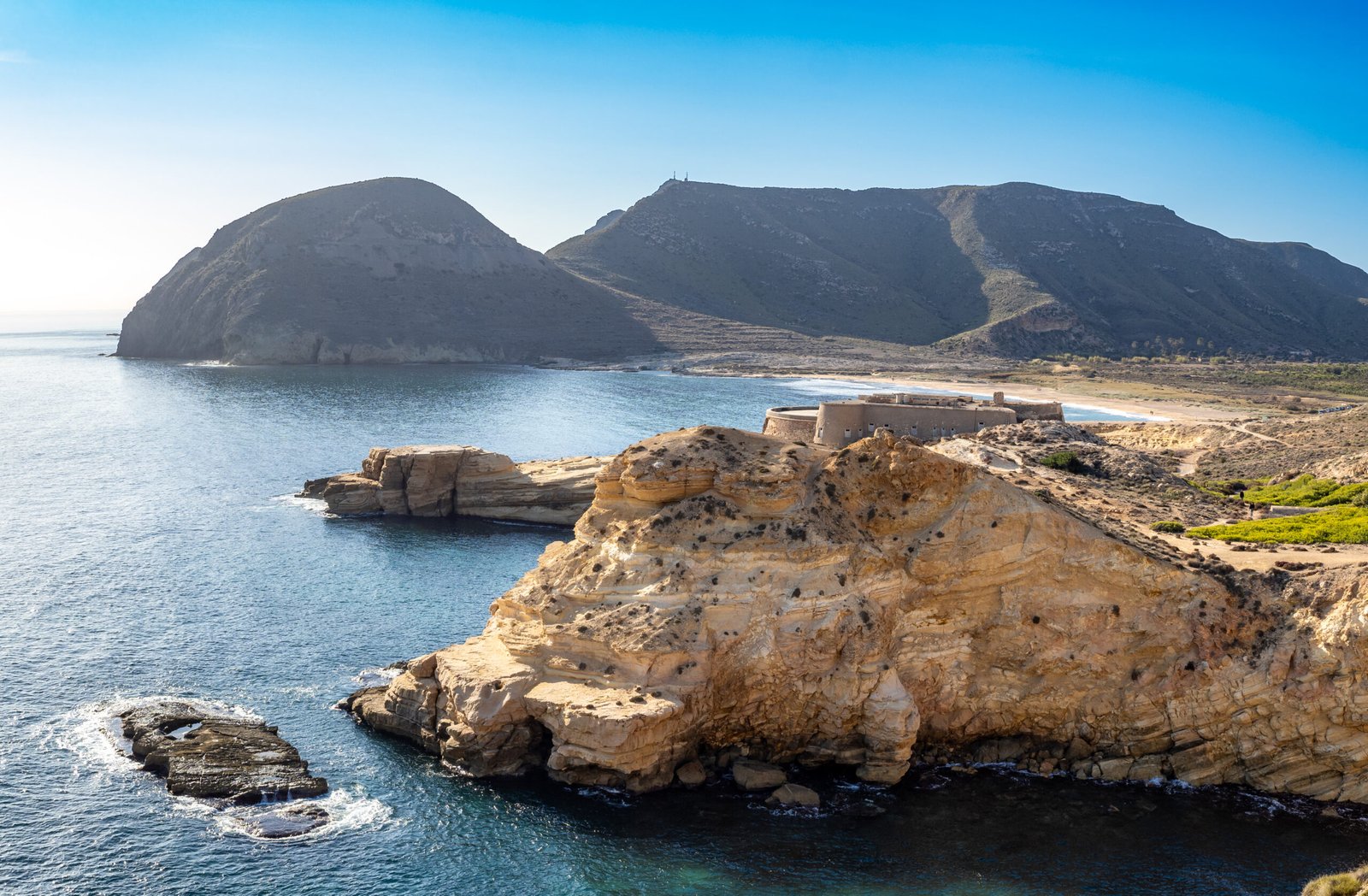
Musandam, Oman: Exploring the Spectacular Fjords of Arabia by Road
The Lost Mumbaikar Presents: The Ultimate Oman Road Trip Series
Chapter 3 – Musandam, Oman: Exploring the Spectacular Fjords of Arabia by Road
When people dream about fjords, they dream about Norway.
For decades, travel documentaries, postcards and Hollywood films have taught us that if we want to see dramatic mountains rising straight out of deep blue water, we need to travel to Scandinavia.
Very few people realise that the Middle East has its own fjords.
Even fewer know that they’re only a few hours’ drive from Dubai.
They’re called Musandam.
The first time I heard someone describe Musandam as the “Norway of Arabia,” I smiled politely. It sounded like another tourism slogan designed to attract visitors. After travelling through nearly one hundred countries, I’d learnt that destinations are often exaggerated. Expectations become unrealistic, and reality rarely matches the photographs.
Then I drove there.
The closer I got to Khasab, the more the landscape began to change. The wide highways disappeared behind rugged limestone mountains. Every bend in the road revealed another dramatic view of the sea. Small fishing villages appeared quietly between the cliffs, and for the first time, I realised this wasn’t another weekend destination.
This was somewhere completely different.
Over the years, I’ve been fortunate enough to explore Norway’s famous fjords, drive along Croatia’s spectacular Adriatic coastline and travel through some of Europe’s most beautiful coastal landscapes. Yet standing in Musandam, watching towering mountains plunge directly into crystal-clear water while traditional wooden dhows glided silently through the fjords, I realised comparisons only tell part of the story.
Musandam isn’t trying to be Norway.
It has its own identity.
Its own history.
Its own rhythm.
And that’s exactly what makes it unforgettable.
Today, most visitors arrive in Musandam, join a dhow cruise, photograph a few dolphins and drive back home believing they’ve experienced the region.
I made exactly the same mistake.
It wasn’t until I returned again and again that I understood Musandam isn’t simply a dhow cruise destination. It’s an entire peninsula filled with mountain roads, hidden beaches, spectacular viewpoints, traditional villages, marine life and landscapes that continue to surprise me every time I visit.
If you’re planning your first trip, I hope this guide helps you experience the Musandam that many travellers never get to see.
Because the real beauty of Musandam doesn’t begin when you board a boat.
It begins the moment you decide to slow down.
The Lost Mumbaikar Says:
“Some destinations impress you once and Musandam has impressed me every single time I’ve returned”.
Where Exactly Is Musandam?
One of the things that makes Musandam so fascinating is its geography.
Although Musandam belongs to Oman, it isn’t physically connected to the rest of the country. The United Arab Emirates lies between Musandam and mainland Oman, making it one of the world’s most unusual geographical regions.
For travellers, however, that’s actually good news.
If you live in Dubai or anywhere else in the UAE, Musandam is one of the easiest international road trips you’ll ever take. Within just a few hours, the city skyline disappears behind you and is replaced by towering mountains, peaceful fishing villages and breathtaking coastal scenery that feels a world away from modern urban life.
This unique location has helped preserve Musandam’s character. Unlike many popular coastal destinations, it hasn’t become heavily commercialised. Nature remains the main attraction, and every road, mountain and fjord reminds you that you’re exploring one of the Middle East’s most remarkable landscapes.
Rather than repeating the border crossing process here, I’ve already created a detailed UAE to Oman by Car Guide, covering visa requirements, insurance, documents, border formalities, vehicle permits and practical tips. I recommend reading that guide before continuing your journey into Musandam.
My Journey with Musandam
I’ve lost count of how many times I’ve driven towards Musandam.
Some trips were planned months in advance.
Others happened almost spontaneously.
A long weekend would arrive, we’d pack the car, leave Dubai early in the morning and point the steering wheel towards Khasab.
Every visit felt different.
Sometimes the sea was perfectly calm, reflecting the mountains like a mirror.
Sometimes dolphins appeared beside our dhow within minutes of leaving the harbour.
Sometimes the roads themselves became the highlight, encouraging us to stop every few kilometres simply to admire another incredible viewpoint.
That’s what keeps bringing me back.
Musandam never feels repetitive.
Unlike destinations where you’ve “seen everything” after one visit, Musandam slowly reveals itself over time. One journey introduces the famous dhow cruise. The next reveals mountain roads leading towards Jebel Harim. Another uncovers hidden viewpoints overlooking the fjords, while another becomes memorable simply because of a quiet beach where hardly another person was in sight.
Some of my favourite memories weren’t created at famous landmarks.
They happened during the quieter moments.
Watching fishermen return to Khasab Harbour in the evening.
Standing silently at a viewpoint while the late afternoon sun painted the cliffs golden.
Sharing tea beside the sea without another tourist in sight.
Those are the moments I remember most.
And perhaps that’s why Musandam continues to surprise me.
Not because it constantly changes.
But because every visit allows me to notice something I missed before.
Why Musandam Is Unlike Anywhere Else in Arabia
There are beautiful beaches elsewhere in the Gulf.
There are impressive mountains in Oman.
There are spectacular road trips across the Middle East.
Musandam is one of the very few places where all of them come together.
Imagine driving through dramatic mountain passes in the morning, boarding a traditional dhow before lunch, swimming in crystal-clear water during the afternoon, watching dolphins race alongside your boat and ending the day overlooking fjords that glow golden beneath the setting sun.
That’s a normal day in Musandam.
It’s also what makes this peninsula so difficult to describe.
It’s not simply a beach destination.
It’s not only a mountain destination.
It’s not just a road trip.
Musandam is an experience where mountains, sea, culture and adventure blend together so naturally that every day feels completely different from the last.
The Best Things to Do in Musandam & Places You Shouldn’t Miss
After arriving in Musandam, most travellers book a dhow cruise, take a few photographs and head back home the same evening.
In my opinion, that’s one of the biggest mistakes you can make.
Musandam is far more than a day-trip destination. It is a place where spectacular fjords, dramatic mountain roads, hidden beaches, dolphins, historic forts and traditional Omani villages come together to create one of the most rewarding road trips in the Middle East.
Whether you’re planning a Musandam road trip, searching for the best things to do in Musandam, looking for the top places to visit in Khasab, or deciding whether a Musandam dhow cruise is worth it, these are the experiences I believe should be part of every itinerary.
Khasab – The Gateway to Musandam, Oman
Every journey through Musandam begins in Khasab, the capital of the peninsula and the perfect base for exploring the region. Although it is a relatively small coastal town, Khasab offers everything you’ll need before beginning your adventure, including hotels, restaurants, supermarkets, fuel stations and the departure point for almost every dhow cruise.
Don’t make the mistake of treating Khasab as just a transit point. Spend an evening walking along the Corniche, enjoy freshly grilled seafood overlooking the harbour and experience the slower pace of life that defines Musandam. Visit the local fish market in the morning to watch fishermen unloading their catch before exploring Khasab Fort, one of the best-preserved Portuguese forts in Oman.
If you have two days in Musandam, I highly recommend staying overnight in Khasab instead of rushing back to the UAE after your cruise. The peaceful evenings and spectacular mountain backdrop are part of the Musandam experience.
Google Maps: Khasab
Distance from Dubai: Approximately 190 km (3.5–4 hours, excluding border formalities).
Best For: Hotels, restaurants, dhow cruises, local culture and exploring Musandam.
Experience a Traditional Musandam Dhow Cruise
If there is one activity that defines Musandam, it is undoubtedly the traditional Musandam dhow cruise.
These beautifully handcrafted wooden boats have sailed these waters for generations and remain the best way to explore the spectacular fjords that make Musandam famous. The cruise takes you deep into narrow inlets surrounded by towering limestone mountains, revealing hidden beaches, quiet fishing villages and dramatic scenery that simply cannot be appreciated from the road.
Most cruises depart from Khasab Harbour and offer either half-day or full-day itineraries. Personally, I always recommend the full-day option. It gives you enough time to enjoy the fjords without feeling rushed and usually includes lunch, refreshments, snorkelling equipment and stops at Telegraph Island and Seebi Island.
One of the things I enjoy most about the cruise is the silence. Once the dhow leaves the harbour, the noise of everyday life disappears. The mountains become taller, the sea calmer and every turn reveals another breathtaking section of coastline.
For many travellers, the dhow cruise becomes the highlight of their Musandam journey.
For me, it is only the beginning.
Duration: Half-day or full-day.
Best For: Families, couples, photographers and first-time visitors.
Dolphin Watching in Musandam
Few wildlife experiences in the Gulf are as memorable as watching wild dolphins swimming freely through the fjords of Musandam.
The waters surrounding Khasab are home to Indo-Pacific bottlenose dolphins, and sightings are remarkably common throughout the year. It is not unusual for a pod of dolphins to appear beside the dhow, swimming effortlessly alongside the boat before disappearing beneath the crystal-clear water.
Unlike organised marine attractions elsewhere in the world, these are wild dolphins in their natural environment, making every sighting unique. Sometimes they stay with the dhow for only a few moments. On other occasions, they accompany the boat for several minutes, delighting everyone on board.
If photography is important to you, keep your camera ready, but don’t spend the entire experience looking through a lens. Watching dolphins with your own eyes is something you’ll remember long after you’ve returned home.
Best Time: Morning cruises usually offer calmer sea conditions.
Best For: Wildlife lovers, photographers and families.
Telegraph Island – Musandam’s Most Famous Snorkelling Spot
No Musandam dhow cruise feels complete without a stop at Telegraph Island.
Today, it is one of the peninsula’s most popular snorkelling destinations, but its story begins long before tourism arrived. In 1864, the British established a telegraph relay station here as part of the communication network connecting London with British India. Although the station operated for only a short period, it left behind one of Musandam’s most fascinating historical landmarks.
Today, visitors come for a different reason.
The water surrounding Telegraph Island is exceptionally clear, making it one of the best places in Musandam for swimming and snorkelling. Colourful reef fish, healthy coral formations and excellent underwater visibility make this a favourite stop during every full-day cruise.
Whether you choose to snorkel or simply relax on the dhow while surrounded by spectacular fjord scenery, Telegraph Island is one of those places that deserves its reputation.
Google Maps: Telegraph Island
Best For: Snorkelling, swimming, history and photography.
Seebi Island – One of Musandam’s Hidden Marine Gems
While Telegraph Island receives most of the attention, Seebi Island quietly offers one of the best underwater experiences in Musandam.
Surrounded by vibrant coral reefs and crystal-clear water, Seebi Island is an excellent location for snorkelling and swimming. The marine life is abundant, with colourful reef fish regularly spotted around the island, and lucky visitors may even encounter sea turtles gliding gracefully through the water.
Because fewer tours spend extended periods here, Seebi often feels more peaceful than Telegraph Island. If you enjoy exploring the underwater world away from larger crowds, this is a destination you shouldn’t overlook.
Google Maps: Seebi Island
Best For: Coral reefs, snorkelling, marine life and peaceful surroundings.
Discover Musandam’s Hidden Beaches
One of the greatest surprises awaiting visitors is the number of hidden beaches in Musandam.
Unlike many famous beach destinations, these secluded coves remain completely untouched. Most can only be reached by dhow or private speedboat, which has protected them from overdevelopment. There are no beach clubs, loud music or rows of sunbeds—just crystal-clear water, white pebbled shores and dramatic limestone cliffs rising directly from the sea.
Several dhow cruises anchor near these beaches, giving visitors the opportunity to swim in some of the clearest water in Oman. It’s a reminder that the most beautiful beaches are often the hardest to reach.
For travellers looking for peace, nature and spectacular scenery, Musandam’s hidden beaches are among the peninsula’s greatest treasures.
Best For: Swimming, photography and secluded coastal escapes.
Khawr Najd Viewpoint – The Best View in Musandam
If I had to recommend just one viewpoint in Musandam, it would undoubtedly be Khawr Najd Viewpoint.
Reached via a spectacular mountain road, the viewpoint overlooks a narrow fjord winding between towering limestone mountains before disappearing into the distance. It is one of the most photographed locations in Oman and one of the finest places to appreciate the dramatic landscape that has earned Musandam the nickname “The Fjords of Arabia.”
The drive itself is almost as rewarding as the destination, with several scenic stops along the way offering impressive views across the mountains.
Visit during sunrise or late afternoon for the most beautiful light.
Google Maps: Khawr Najd Viewpoint
Distance from Khasab: Approximately 30 km.
Best For: Photography, scenic drives and panoramic views.
Jebel Harim – The Highest Mountain in Musandam
Standing at approximately 2,087 metres, Jebel Harim is the highest mountain in Musandam and one of the peninsula’s greatest road trips.
The journey climbs steadily through rugged mountain scenery, passing remote villages, ancient fossil beds and spectacular viewpoints overlooking the fjords below. Unlike the coastline, which reveals Musandam’s maritime beauty, Jebel Harim showcases its dramatic mountain landscape.
Even if you don’t stop often, the drive itself is unforgettable. Every bend reveals another breathtaking panorama, making it one of the finest scenic drives in Oman.
For road-trip enthusiasts, Jebel Harim is every bit as essential as the famous dhow cruise.
Google Maps: Jebel Harim
Distance from Khasab: Approximately 40 km.
Best For: Road trips, mountain scenery, geology and panoramic viewpoints.
That, more than anything else, is why I believe Musandam deserves far more than a day trip from Dubai.
It deserves your time.
Because the more time you give Musandam…
The more it gives back.
Beyond the Fjords: Scenic Drives, Mountain Villages & Hidden Corners of Musandam
By now you’ve experienced Musandam from the water.
You’ve cruised through the fjords, watched dolphins swimming beside your dhow, explored Telegraph Island and admired some of the most spectacular coastal scenery in the Middle East.
Now it’s time to discover the side of Musandam that many visitors never see.
Most tourists return to Dubai immediately after their dhow cruise.
I believe that’s a mistake.
Some of Musandam’s finest experiences are found away from the harbour, high in the mountains and along quiet roads where every bend reveals another breathtaking view.
Drive the Scenic Coastal Road from Bukha to Khasab
Long before you reach Khasab, Musandam begins introducing itself.
The coastal road between Bukha and Khasab is one of the most scenic drives in Oman, hugging the shoreline while dramatic limestone mountains rise on the opposite side. Small fishing villages appear every few kilometres, traditional boats rest along the beaches and the Arabian Sea constantly changes colour depending on the sunlight.
Unlike many famous coastal highways around the world, traffic here is remarkably light. You can stop almost anywhere to enjoy the views, take photographs or simply appreciate the silence.
This drive is one of the reasons I always recommend travelling to Musandam by car rather than joining a rushed day tour. The journey itself becomes one of the highlights.
Distance: Approximately 65 km
Driving Time: Around one hour without stops.
Best For: Photography, road trips and coastal scenery.
Visit Bukha Fort
Located near the UAE–Oman border, Bukha Fort is often overlooked by visitors rushing towards Khasab.
Originally built to defend Musandam’s southern coastline, the fort has been carefully restored and offers beautiful views over the surrounding mountains and the Gulf of Oman. Although smaller than Khasab Fort, it provides an interesting glimpse into Oman’s coastal history and makes an excellent stop during your drive.
If you’re travelling from Dubai, consider visiting Bukha Fort before reaching Khasab rather than leaving it until the return journey.
Google Maps: Bukha Fort
Best For: History, architecture and photography.
Jebel Harim Road – One of Oman’s Greatest Mountain Drives
The road to Jebel Harim is much more than a drive to a mountain summit.
It is one of the finest scenic roads in Oman.
As you leave Khasab behind, the road begins climbing steadily into the mountains. Every few kilometres the landscape changes, revealing deep valleys, rugged cliffs and spectacular viewpoints overlooking the fjords below.
The higher you climb, the cooler the air becomes. During winter, temperatures can be surprisingly low compared to the coast, making it one of the most pleasant drives in Musandam.
One of the most fascinating aspects of Jebel Harim is its geology. Ancient marine fossils can still be found embedded within the rocks, reminding visitors that these mountains were once beneath the sea millions of years ago.
Take your time.
Stop often.
Some of the best viewpoints aren’t marked on maps.
Google Maps: Jebel Harim
Elevation: Approximately 2,087 metres.
Best For: Scenic drives, geology, photography and mountain landscapes.
Discover the Traditional Mountain Villages
One of the things I appreciate most about Musandam is that it still feels authentic.
Scattered throughout the mountains are small villages where life continues at a much slower pace. Stone houses blend naturally into the landscape, goats wander freely and narrow terraces demonstrate how local communities have adapted to one of Oman’s most challenging environments.
These villages aren’t tourist attractions in the traditional sense.
They’re simply places where people live.
Drive respectfully, slow down when passing through and remember that you’re a visitor in someone’s home rather than a sightseeing attraction.
For me, these villages represent the true spirit of Musandam.
Khawr Najd – The View Everyone Remembers
If you search online for photographs of Musandam, chances are you’ll eventually come across Khawr Najd Viewpoint.
There’s a good reason.
This is arguably the most spectacular viewpoint in the entire peninsula.
Standing at the viewpoint, you’ll see a narrow fjord stretching between towering limestone mountains before disappearing into the distance. The combination of sea, mountains and complete silence creates one of the most memorable landscapes anywhere in Oman.
Although many people visit during midday, I strongly recommend arriving early in the morning or later in the afternoon. The softer light transforms the mountains into shades of gold and orange, making the scenery even more dramatic.
If you’re passionate about photography, this is one location where you’ll probably spend much longer than you originally planned.
Google Maps: Khawr Najd Viewpoint
Distance from Khasab: Approximately 30 km.
Best For: Photography, sunrise, sunset and panoramic views.
Hidden Viewpoints Most Visitors Miss
One of the advantages of exploring Musandam by car is the freedom to stop whenever the scenery catches your attention.
Some of my favourite photographs haven’t been taken at famous viewpoints.
They’ve been taken from unnamed roadside pull-offs overlooking quiet valleys, fishing villages and dramatic sections of coastline.
Unlike heavily visited destinations elsewhere in the world, Musandam still rewards curiosity.
If you see a safe place to stop, do it.
Some of the best views are completely unmarked.
They’re simply waiting to be discovered.
Local Food You Should Try in Musandam
Fresh seafood naturally dominates Musandam’s restaurants.
Kingfish, grilled hammour, prawns and lobster are common menu items, often served with fragrant rice, fresh salad and traditional Omani bread.
One dish I always recommend trying is Mashuai, considered Oman’s national seafood dish. It consists of kingfish served with lemon rice and is simple, fresh and full of flavour.
Don’t leave Musandam without trying traditional Omani Halwa and a cup of lightly spiced Omani Kahwa. It’s the perfect way to finish a meal while experiencing another small part of Omani culture.
For seafood, several restaurants around Khasab Harbour serve freshly caught fish each evening, making dinner another enjoyable part of the journey.
Where to Stay in Musandam
Accommodation in Musandam is centred around Khasab, making it convenient for both dhow cruises and mountain excursions.
Luxury
The Atana Musandam Resort offers spectacular sea views, spacious rooms and one of the best locations in Khasab. It’s ideal for travellers looking to relax after a day exploring the fjords.
Mid-Range
The Atana Khasab Hotel provides comfortable accommodation, excellent service and easy access to both the harbour and the town centre.
Budget
Several guesthouses and small hotels around Khasab offer clean, affordable accommodation for travellers focusing on sightseeing rather than luxury.
Whichever option you choose, I recommend spending at least one night in Musandam. Rushing back to Dubai after a cruise means missing many of the peninsula’s finest experiences.
My Recommended Two-Day Musandam Itinerary
Day One
Arrive in Khasab during the morning and check into your hotel. Explore Khasab Fort, walk along the Corniche and enjoy fresh seafood for lunch. Spend the afternoon driving to Khawr Najd Viewpoint before returning to Khasab for sunset and dinner by the harbour.
Day Two
Join a full-day dhow cruise through the fjords. Watch dolphins in their natural habitat, snorkel at Telegraph Island and Seebi Island, swim at hidden beaches and enjoy lunch onboard before returning to Khasab in the late afternoon.
If you have an extra day, dedicate it entirely to driving the spectacular Jebel Harim mountain road.
By now you’ve probably realised that Musandam isn’t simply another destination to tick off your travel list.
It’s a place best explored slowly.
The fjords introduce you to its beauty.
The mountains reveal its character.
And the road between them keeps giving you reasons to return.
Best Time to Visit Musandam
Unlike southern Oman, Musandam doesn’t experience the Khareef season.
Instead, the best time depends mainly on temperatures.
October to April
This is the ideal period.
Cooler weather makes mountain drives, dhow cruises and sightseeing far more enjoyable.
This is also the busiest tourist season.
May
Temperatures begin increasing but remain manageable.
A good option if you prefer fewer visitors.
June to September
Very hot.
The fjords remain beautiful, but outdoor activities become more challenging during the middle of the day.
If you’re visiting in summer, plan early morning and late afternoon activities.
What Should You Pack?
One advantage of Musandam is that you don’t need specialised equipment.
I normally carry:
Comfortable walking shoes.
Swimming clothes.
A towel.
Snorkelling equipment (although most dhow cruises provide it).
Sun protection.
Power bank.
Camera.
A lightweight jacket during winter mountain drives.
Simple preparation is usually all that’s needed.
Essential Travel Tips
Book your dhow cruise in advance, especially between November and March.
Choose a full-day cruise rather than a half-day trip.
Carry cash for smaller shops and cafés.
Fuel your vehicle before leaving Khasab if you’re planning mountain drives.
Start your scenic drives early to enjoy cooler temperatures and better photography conditions.
Most importantly…
Don’t rush.
Musandam rewards travellers who slow down.
The Lost Mumbaikar Reflections
Is Musandam Worth Visiting?
Without hesitation…Yes.
I’ve travelled through nearly one hundred countries and I’ve driven some of the world’s greatest coastal roads.
I’ve explored Norway’s fjords, Croatia’s coastline and countless beautiful destinations across Europe and Asia.
Yet I continue returning to Musandam not because it’s trying to compete with those places. Because it offers something completely different.
Within just a few hours of leaving Dubai, you find yourself surrounded by towering limestone mountains, crystal-clear water, traditional fishing villages and dramatic fjords unlike anywhere else in the Middle East.
That’s a remarkable journey and one I never seem to grow tired of.
Frequently Asked Questions
1. Is Musandam worth visiting?
Absolutely. Musandam offers spectacular fjords, mountain roads, dhow cruises, dolphins, hidden beaches and some of the best scenery in Oman.
2. How many days do you need in Musandam?
Two days is ideal for first-time visitors, while three days allows enough time to explore Jebel Harim and the mountain villages.
3. Is a Musandam dhow cruise worth it?
Yes. It’s the best way to experience the fjords, dolphins, Telegraph Island and hidden beaches that cannot be reached by road.
4. Can you visit Musandam from Dubai?
Yes. Musandam is one of the most popular international road trips from Dubai.
For border procedures, visa requirements, insurance and documents, read my detailed UAE to Oman by Car Guide.
5. Which is better: Musandam or Salalah?
They offer completely different experiences.
Choose Musandam for fjords, mountain scenery and dhow cruises.
Choose Salalah for waterfalls, tropical landscapes and the Khareef season.
6. What is Musandam famous for?
Musandam is famous for its spectacular fjords, traditional dhow cruises, dolphin watching, Telegraph Island, Jebel Harim and some of the most scenic coastal drives in the Middle East.
7. Is Musandam suitable for families?
Yes.
Families will enjoy the dhow cruises, dolphin watching, snorkelling and easy road trips, making it one of the best family-friendly destinations in Oman.
See Also:
- Discovering the Many Faces of Oman
- Maldives like Beaches in Oman


Leave a Reply