

Salalah During Khareef: The Tropical Oman Road Trip from Dubai
The Lost Mumbaikar Presents – The Ultimate Oman Road Trip Series
Chapter 8: Salalah During Khareef: The Tropical Oman Road Trip from Dubai
When the Desert Turns Green: Welcome to Salalah
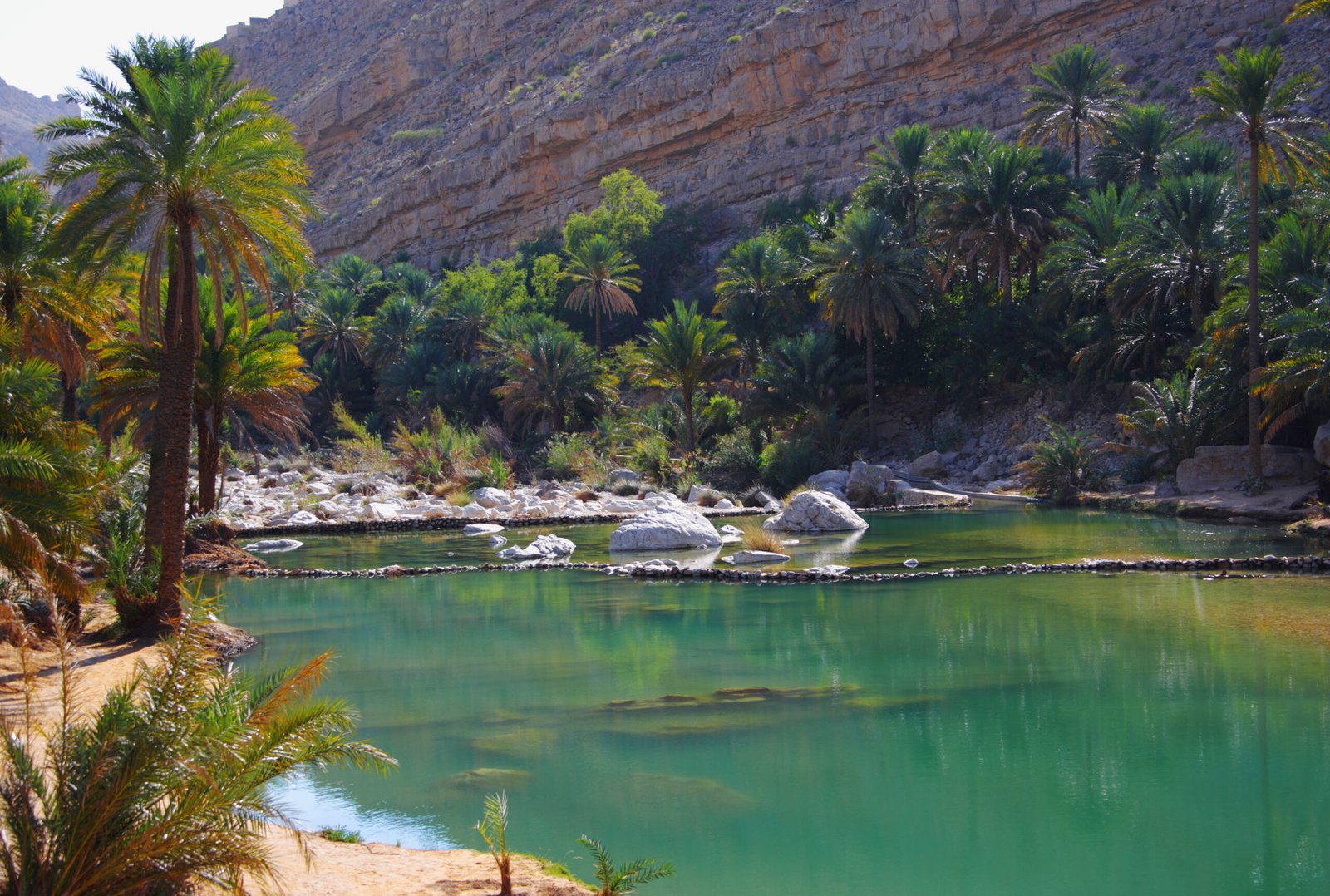
When most people imagine Oman, they picture rugged mountains, desert roads, turquoise wadis and a spectacular coastline. After more than 100 Oman road trips, that is the country I have come to know and love. But drive south towards Dhofar during Khareef season and Oman reveals a completely different side. Mountains turn green, clouds cover the roads, waterfalls appear and coconut and banana trees create an almost tropical landscape. Welcome to Salalah during Khareef, one of the Middle East’s most surprising experiences.
For someone living in Dubai, the contrast is incredible. We are used to Gulf summers surrounded by desert and dry mountains, so this much greenery feels almost unreal. As an Indian, Khareef Salalah sometimes reminds me of Kerala during the monsoon — misty hills, wet roads, coconut trees and endless shades of green. The difference is simple: in Kerala you expect it; in southern Oman, you don’t.
You can fly from Dubai to Salalah in a couple of hours, but a Dubai to Salalah road trip tells a much better story. After hundreds of kilometres through the dry landscapes of Oman, watching the first green mountains of Dhofar appear through your windscreen makes the journey unforgettable.
This Salalah travel guide is about more than places to visit. It is about the road journey, Khareef Salalah, the landscapes, the best stops and the practical lessons I have learned from exploring Oman extensively with my family.
The Lost Mumbaikar Says:
“Salalah doesn’t need to compete with Kerala, Switzerland or anywhere else. Its greatest surprise is simply being Salalah; a place where, for a few magical months, Arabia turns green.”
Dubai to Salalah Road Trip: Distance, Fuel & Driving Tips
You can fly to Salalah and rent a car, but if you love driving, a Dubai to Salalah road trip is one of the great long-distance journeys from the UAE. Depending on your route and border crossing, expect around 1,200–1,300 km each way, so start with a properly maintained vehicle, good tyres, enough water and drivers comfortable with long distances.
As you head south through Oman, towns become smaller, traffic lighter and the road seems to stretch endlessly towards the horizon. Some may find these sections boring, but I find something calming about driving through an enormous empty landscape with my family, music playing, coffee in the car and hundreds of kilometres of open road ahead. More importantly, the long desert journey makes the eventual arrival in green Dhofar even more rewarding.
Fuel planning is important on a Muscat to Salalah road trip. Petrol stations are available along the main highway, but I never wait for the fuel warning light. I recommend filling up around Haima before heading towards Thumrait and Salalah and keeping at least 200–300 km of driving range in reserve. Carry drinking water and snacks, take regular breaks and share the driving whenever possible.
If you are travelling from UAE to Salalah by car, don’t turn the journey into a race. The roads are generally good, but fatigue is a bigger concern than distance. My rule for long Oman road trips is simple: when you see a petrol station and your tank is getting low, fill it; when you feel tired, stop.
When the Desert Turns Green: The Soul of Khareef Salalah
Khareef Salalah is the seasonal monsoon that transforms Dhofar in southern Oman, generally from June to September. Moist air from the Indian Ocean brings mist, drizzle and cooler temperatures, turning normally dry mountains green and bringing seasonal springs and waterfalls to life. July and August are particularly popular with travellers from the UAE and across the Gulf, making Salalah during Khareef one of the Middle East’s most unique summer escapes.
Don’t expect constant sunshine. The Khareef season in Salalah is about foggy mountains, wet roads, light rain and green valleys. Coconut and banana plantations add an almost tropical character, and as an Indian, parts of Dhofar sometimes remind me of Kerala during the monsoon. But the real magic is the contrast: in Kerala you expect greenery; in the Arabian Peninsula, you don’t.
That contrast becomes even more powerful on a Dubai to Salalah road trip. After hundreds of kilometres through the dry landscapes of Oman, clouds begin gathering as you approach Dhofar, the temperature drops and patches of green slowly appear. Soon you are driving through mist-covered hills with camels and cattle grazing beside the road. Flying into Salalah gives you the same scenery, but driving makes it more memorable because you actually watch the Oman landscape transform from desert to green Dhofar through your windscreen.
Some of my favourite memories of Salalah during Khareef aren’t from famous tourist attractions at all. They are the simple moments between them: driving slowly through misty mountains, passing coconut trees and banana plantations, watching animals grazing on green hills or stopping at a roadside stall for fresh coconut water. Coming from Dubai or Abu Dhabi, these moments make Salalah feel almost tropical and completely different from the Middle East, we normally experience.
The slower pace is part of Salalah’s charm. Don’t spend the entire holiday racing between attractions. Open the window, feel the cool mist, stop for coconut water and enjoy the green mountains around you. Show someone a photograph of coconut trees, fog-covered hills and green valleys without revealing the location, and Oman probably won’t be their first guess.
That is the real magic of Khareef Salalah. Green mountains aren’t unusual in the world; finding them in Arabia is what makes Salalah extraordinary.
Best Places to Visit in Salalah During Khareef
If you’re planning your first Salalah itinerary, don’t try to race between attractions. During Khareef in Salalah, the green mountains, misty roads and changing landscapes are part of the experience. Since I stay with IHG, Crowne Plaza Resort Salalah makes a convenient base for exploring Dhofar. The approximate driving distances below are from the resort and are useful for planning your days.
1 Wadi Darbat – Around 40 km
One of the absolute must-visit places in Salalah during Khareef. Wadi Darbat comes alive with green hills, flowing water, seasonal waterfalls and grazing camels and cattle. Go early during peak Khareef weekends to avoid the biggest crowds.
2 Mughsail Beach & Blowholes – Around 55 km
One of the most dramatic beaches in Salalah, where mountains meet the Arabian Sea. Combine Mughsail Beach with the famous blowholes and Marneef Cave for an excellent half-day road trip west of Salalah. During Khareef, be cautious of strong waves and currents.
3 Marneef Cave – Around 55 km
Located beside the Mughsail blowholes, Marneef Cave is best visited as part of the same trip. The real attraction for me is the combination of cliffs, ocean, cave and blowholes rather than the cave alone.
4 Ayn Razat – Around 20 km
One of the best-known natural springs in Salalah, surrounded by greenery and mountains. It is an easy family stop and can conveniently be combined with other nearby Khareef attractions.
5 Ayn Athum – Around 35 km
A popular Salalah waterfall during Khareef, especially when seasonal rainfall brings the surrounding mountains to life. Water levels vary, so the experience depends heavily on recent weather.
6 Jabal Ittin – Around 20 km
One of the easiest places to experience the famous green mountains of Salalah. During Khareef, fog and low clouds create beautiful driving conditions, but visibility can change quickly, so drive carefully.
7 Taqah – Around 30 km
This coastal town adds some history and local character to your Salalah road trip. Taqah is easy to combine with Wadi Darbat, Khor Rori and Sumhuram, making it ideal for an East Salalah day trip.
8 Khor Rori & Sumhuram – Around 40 km
One of the best historical stops around Salalah. The archaeological site of Sumhuram and Khor Rori tells the story of Dhofar’s ancient frankincense trade and provides a nice contrast to the waterfalls and green mountains.
9 Jabal Samhan – Around 80 km
For mountain lovers, Jabal Samhan offers some of the most dramatic viewpoints in Dhofar. During Khareef, however, clouds can completely hide the views, so check visibility before making the longer drive.
10 Shaat Viewpoint – Around 90 km
One of the more adventurous places to visit near Salalah, with spectacular cliffs, mountain roads and Arabian Sea views. Fog can become extremely thick during Khareef, so make the trip only when driving conditions are suitable.
11 Fazayah Beach – Around 75–85 km
One of the most beautiful hidden beaches near Salalah, surrounded by rugged mountains and turquoise sea. The drive itself is part of the adventure, but swimming can be dangerous during rough Khareef conditions.
A Simple 4-Day Salalah Itinerary
If you are driving all the way from the UAE, I recommend giving yourself at least four full days in Salalah, excluding the journey there and back. After travelling such a long distance, there is little point rushing through Dhofar in two days.
On Day 1, keep things relatively relaxed after the long journey. Explore Salalah city, the coconut-lined areas, local markets, Ayn Razat and Jabal Ittin. Use the day to adjust to the weather and get a feeling for the landscape rather than immediately attempting a huge driving schedule.
On Day 2, head east towards Taqah, Wadi Darbat, Khor Rori and Sumhuram. This gives you a good combination of green landscapes, water, history and coastal scenery without constantly driving back and forth across Dhofar.
On Day 3, explore western Salalah. Visit Mughsail Beach, Marneef Cave and the blowholes, then continue farther towards Shaat if weather, road conditions and visibility are suitable. This side of Dhofar gives you some of the most dramatic coastal landscapes of the entire trip.
On Day 4, keep the schedule flexible. Head towards Jabal Samhan or revisit a mountain area that was hidden by fog earlier in your stay. I deliberately like leaving part of a Salalah itinerary open because Khareef weather doesn’t care about your planning. Sometimes the mountain you couldn’t see yesterday will be completely clear the following morning.
Best Time to Visit Salalah
If your dream is to experience green mountains, waterfalls, fog and the famous monsoon atmosphere, the best time to visit Salalah is during Khareef, generally between June and September. July and August are particularly popular because they coincide with the hottest part of summer elsewhere in the Gulf.
However, I wouldn’t say Khareef is automatically the best season for every traveller. If your priority is beaches, swimming, clear mountain views and exploring remote coastal areas under blue skies, the cooler winter months can also be excellent.
In reality, there are two very different Salalah experiences. Khareef Salalah is green, cloudy, cool and atmospheric, while winter Salalah is clearer, sunnier and better suited to certain coastal adventures.
I would happily experience both.
Is the Dubai to Salalah Road Trip Worth It?
If time is limited, flying is obviously faster. But if you love road trips, driving from Dubai to Salalah is part of the experience. You cross the vast, dry landscapes of Oman before eventually watching the desert transform into the green mountains of Dhofar.
By the time you reach Salalah during Khareef, the destination feels earned. For me, that’s the difference between simply flying somewhere and truly travelling there.
If you’re visiting during peak Khareef, just remember to book your Salalah accommodation early and carry a light jacket and comfortable footwear for the cool, misty and sometimes wet conditions.
Is the Dubai to Salalah Road Trip Worth It?
If time is limited, flying from Dubai to Salalah is obviously faster and easier. But if you enjoy long drives and believe the journey is part of the holiday, a Dubai to Salalah road trip is absolutely worth doing at least once.
Driving allows you to experience the enormous scale and changing landscapes of Oman. You travel through long stretches of desert, stop in small towns for fuel and coffee and gradually make your way towards Dhofar. Then comes the reward: after hundreds of kilometres of dry landscape, the temperature drops, clouds appear and the mountains slowly begin turning green. During Khareef Salalah, that transformation is one of the highlights of the entire journey.
The drive is long, so don’t rush it. Start with a well-maintained vehicle, keep enough fuel and water, take proper breaks and share the driving whenever possible. If you’re travelling during peak Khareef, book your Salalah accommodation early and carry a light jacket and comfortable footwear for the misty, wet conditions.
You can fly into Salalah and see the same waterfalls, coconut trees and green mountains. But when you drive from Dubai to Salalah, you understand just how extraordinary that greenery is because you have crossed the Arabian desert to reach it.
By the time you arrive in green Dhofar, Salalah feels earned. For me, that’s the difference between simply reaching a destination and truly travelling there.
The Lost Mumbaikar Reflections
I have seen spectacular waterfalls in Iceland and Croatia, endless greenery in Norway and Kerala, mist-covered mountains, dramatic coastlines and vast green plains in different corners of the world. None of these landscapes is unique to Salalah on its own.
What makes Salalah during Khareef special is that, for a few months every year, you can experience so many of them together in one unexpected corner of Arabia. Waterfalls flow through green mountains, clouds cover the roads, coconut trees line the landscape, cattle graze on misty hills and the Arabian Sea is never far away.
After travelling through so many different landscapes around the world, I have learned that a place doesn’t always need to be the biggest, greenest or most dramatic to stay with you. Sometimes what matters is the combination, the setting and the surprise.
And that is Salalah for me.
Frequently Asked Questions About Salalah
1 When is Khareef season in Salalah?
The Khareef season in Salalah generally runs from June to September, with July and August being particularly popular. This is when Dhofar experiences mist, drizzle, cooler temperatures and its famous green landscapes.
2 How far is Dubai to Salalah by road?
A Dubai to Salalah road trip is approximately 1,200–1,300 kilometres each way depending on your starting point, border crossing and chosen route. Allow plenty of time for fuel, meals and rest stops rather than treating the journey as one continuous drive.
3 How many days do you need in Salalah?
I recommend at least four full days in Salalah, excluding your travel days. Five days is even better if you enjoy slower travel and want flexibility when fog or weather affects mountain viewpoints.
4 Is Salalah worth visiting during Khareef?
Absolutely. Salalah during Khareef offers one of the most unusual landscapes in the Middle East, with green mountains, mist, seasonal waterfalls and significantly cooler weather than much of the Gulf.
5 Does Salalah really look like Kerala?
Parts of Salalah during Khareef can certainly remind Indian travellers of Kerala because of the coconut trees, green mountains, mist and monsoon atmosphere. However, Dhofar has its own landscape and character. What makes Salalah extraordinary is experiencing this tropical-looking environment within the Arabian Peninsula.
6 What are the best places to visit in Salalah?
For a first visit, I would prioritise Wadi Darbat, Mughsail Beach, Marneef Cave, Ayn Razat, Ayn Athum, Jabal Ittin, Taqah, Khor Rori, Sumhuram, Jabal Samhan, Shaat and Fazayah Beach. Also leave time simply to drive through the green mountains during Khareef.
7 Is it better to fly or drive from Dubai to Salalah?
Fly if you have limited time. Drive if you love road trips and want the journey to become part of the experience. Watching the landscape gradually transform from the dry interior of Oman into green Dhofar is one of the best parts of travelling to Salalah by road.
8 Do you need a 4WD in Salalah?
Many of the major Salalah tourist attractions can be reached using a normal car. However, some remote mountain roads, viewpoints and beach access routes can be rough or affected by weather. A capable SUV or 4WD provides more flexibility if you plan to explore beyond the main paved routes.
9 Is Salalah good for a family road trip?
Yes. Salalah is particularly enjoyable as a family road trip from the UAE because the journey combines long-distance driving, mountains, beaches, waterfalls, animals, history and dramatically different scenery. Just plan enough rest stops and avoid trying to cover too much in a single day.
10 What should I pack for Salalah during Khareef?
Carry a light jacket or rain layer, comfortable footwear that can handle wet ground, drinking water, basic snacks and anything your family normally needs for a long road trip. The cool, damp weather can feel surprisingly different when you have driven there directly from the UAE summer.
11 What makes Salalah different from the rest of Oman?
Dhofar’s geography and the Khareef monsoon create an environment completely different from much of northern and central Oman. During the monsoon season, Salalah combines green mountains, mist, flowing water, coconut plantations and a dramatic coastline, making it one of the most distinctive destinations in the Arabian Peninsula.
See Also:
- The Oman of Endless Mountain Roads: 10 Best Scenic Drives from Hatta to Salalah
- The Oman of Sea Turtles: Ras Al Jinz & Ras Al Hadd

Leave a Reply