
The Perfect 3-Week Road Trip for First Timers in European Bucket List
First Time in Europe?
If you’re travelling to Europe for the first time, I’m not going to tell you to skip the Eiffel Tower and go looking for an unknown village in the mountains. That’s how I might travel Europe today, but it isn’t how I would recommend you experience Europe for the first time.
After travelling through almost all of Europe, my idea of a great European holiday has changed. These days, give me a rental car or bike, an empty mountain road, a forest, a small village and somewhere peaceful to stay, and I’m happy. But I’ve already had my first Europe. I’ve stood in front of the famous monuments, walked through the cities I had seen in movies and photographs, driven through the Alps and experienced many of those places that once existed only on my travel wish list.
A first-time traveller deserves that excitement too. If you’ve dreamed about standing beneath the Eiffel Tower, go to Paris. If Switzerland has always meant snow-covered mountains and postcard villages to you, go and see them. If you want to ride a gondola through Venice, do it. Your first European trip doesn’t need to prove that you’re a traveller rather than a tourist. Sometimes you need to be a tourist first.
So if I had three weeks, one rental car and a first-time visitor to Europe sitting beside me, this is the journey I would plan. Not ten countries and not every European capital, just enough of the Europe you’ve dreamed about, connected by some of the roads that make Europe even more beautiful.
The Lost Mumbaikar says
“Your first Europe travel is about seeing your dreams. Most of the places in that dream should be done”.
The Route for First Time Traveling to Europe: France → Switzerland → Italy → Austria → Germany
For a first European road trip, I would broadly follow Paris → Switzerland → Northern Italy → Austria → Munich & Bavaria. Five countries may sound ambitious, but geographically they connect naturally, and you don’t need to explore every corner of each country.
I would allow roughly 3 days for Paris, 5 days for Switzerland, 5 days for Northern Italy, 4 days for Austria and 3 days for Munich and Bavaria. That uses 20 days, leaving Day 21 deliberately free. That final day becomes your buffer for weather, a place you loved enough to stay longer, an unexpected change of plan or simply a comfortable final day before flying home.
The objective isn’t to say you’ve visited five European countries. It is to experience some of Europe’s most famous sights while gradually discovering what exists on the roads between them.
Days 1–3: Paris. Start With the Europe You’ve Imagined
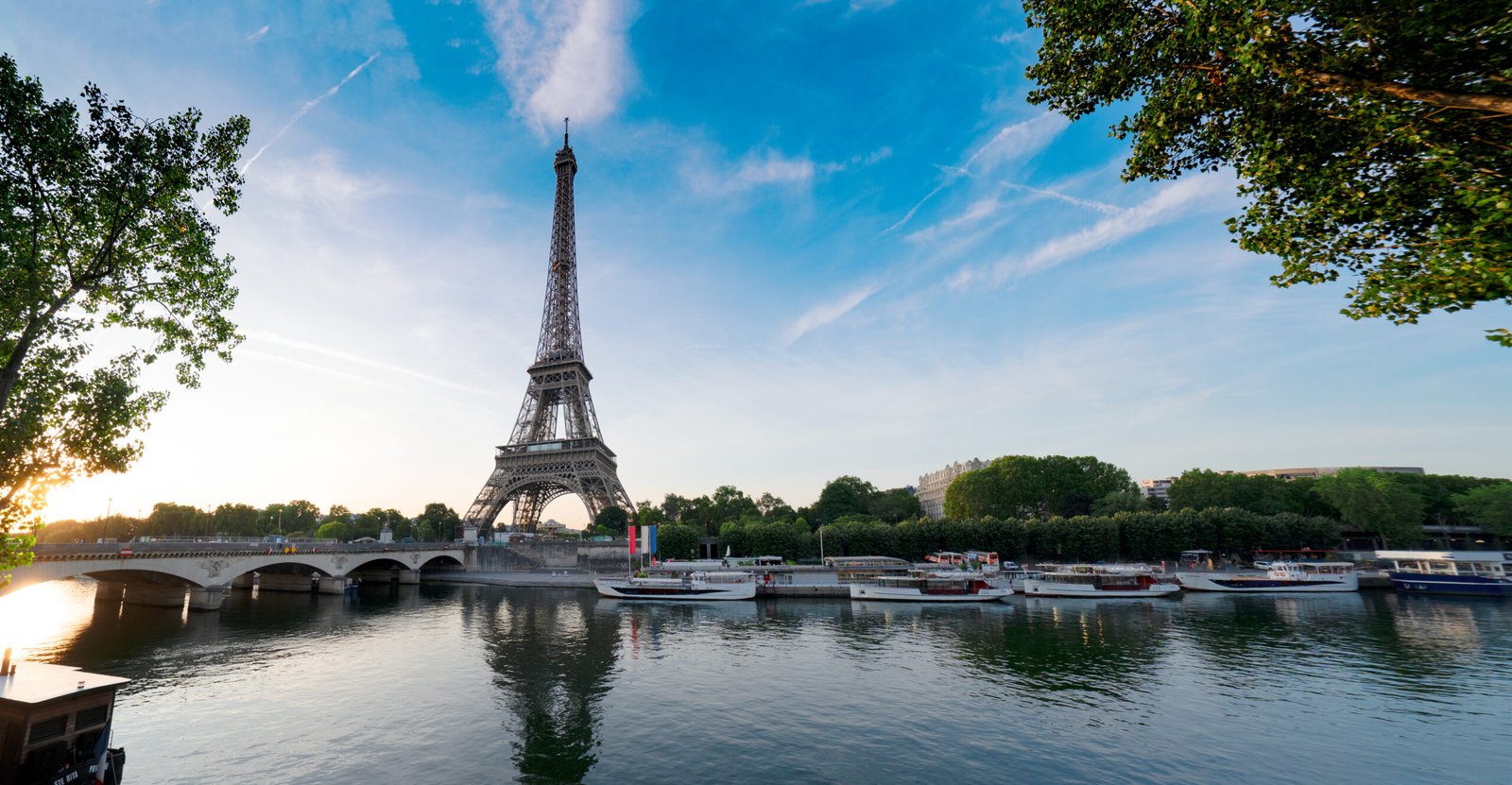
Paris is exactly why I wouldn’t tell a first-time traveller to avoid famous cities. Yes, it’s busy and expensive, and some attractions will have queues, but the first time you see the Eiffel Tower rising above Paris, none of that really matters.
For three days, concentrate on the places that probably made you want to visit Paris in the first place: the Eiffel Tower, Seine, Louvre Museum, Arc de Triomphe, Champs-Élysées, Montmartre, Sacré-Cœur and Notre-Dame Cathedral. Don’t try to see 25 attractions. Walk through the city, sit at a café and see Paris during the day and again after dark.
And don’t collect your rental car immediately. You don’t need it while exploring central Paris. Use public transport and collect the car when you’re ready to leave. You’ll save rental days and parking charges, and you won’t have to introduce yourself to European driving in the middle of Paris.
Then the real road trip begins.
Days 4–8: Switzerland. Give It More Time
For many travellers from India, the UAE and other parts of Asia, Switzerland is one of those countries we’ve been seeing for years before actually visiting it. In films, advertisements, photographs and travel dreams.
For Indian travellers in particular, some of Switzerland may feel familiar even on the first visit. Yash Chopra’s films made the Swiss Alps, green meadows and beautiful villages part of our idea of Europe long before Instagram existed. And if you grew up watching Dilwale Dulhania Le Jayenge, somewhere between those mountains and train journeys, it is difficult not to remember Raj and Simran. I’ve written a separate blog tracing some of the DDLJ filming locations in Switzerland if you want to add a little Bollywood nostalgia to your journey.
Give Switzerland around five days. Consider Lucerne, Interlaken, Lauterbrunnen, Grindelwald and the Jungfrau region, and allow the weather to influence what you do rather than trying to force every attraction into a fixed schedule.
This is also where having a car starts to change the trip. You can visit the famous places during the day but stay somewhere quieter outside the main tourist centre. Your accommodation doesn’t always need the famous postcode. A small Swiss village 20 or 30 minutes away may give you a better view, easier parking, a lower price and a much quieter evening.
Days 9–13: Northern Italy. Lake Como, Venice and the Dolomites
Crossing from Switzerland into Italy is one of the reasons I love European road trips. Within a few hours, the language, architecture, food and even the rhythm of the streets begin to change.
For this three-week itinerary, I would concentrate on Lake Como → Venice → Dolomites rather than trying to push all the way south through Italy. Lake Como gives you the classic Italian lakes experience, while Venice gives a first-time traveller something completely different.
Venice may be one of Europe’s most visited destinations, but if you’ve never been there before, walking towards the Grand Canal, seeing St. Mark’s Square and St. Mark’s Basilica, crossing the Rialto Bridge and getting lost among those little streets and bridges is still special. And if you’ve always wanted to take a gondola ride, take it. There will be plenty of future trips to tell yourself something is too touristy.
Then leave the crowds behind and head towards the Dolomites. That transition from Venice into the mountains is where the holiday begins shifting naturally from European bucket-list travel into European road-trip travel.
Days 14–17: Austria. Where the Road Becomes Part of the Experience
Austria gives you a beautiful mixture of both worlds. You have famous destinations such as Hallstatt, Salzburg and Innsbruck, but between them are mountains, lakes, Alpine villages and scenic roads where having your own car becomes more valuable than another list of attractions.
Spend time in Salzburg and see Hallstatt if it is on your wish list, but don’t make Austria only about Hallstatt. Take a scenic road, stop beside a lake, have lunch in a town whose name you can’t pronounce and consider spending one night in a small Alpine village simply because the accommodation looks peaceful.
This is where I would start leaving a little more space in the itinerary. You don’t need a famous monument waiting outside your hotel every morning.
Days 18–20: Munich & Bavaria. Finish Without Rushing
Finish the journey in Munich and Bavaria. Explore Marienplatz and central Munich, enjoy Bavarian food and atmosphere, and use the surrounding region for your final drives.
For a first-time visitor, Neuschwanstein Castle is an obvious choice. Yes, it is touristy, but that doesn’t mean you shouldn’t see it. Experienced travellers sometimes become too dismissive of famous attractions because we’ve already seen them and forget what it felt like before we did.
Your first photograph beneath the Eiffel Tower matters. Your first view of the Swiss Alps matters. Your first walk through Venice matters. And your first European castle matters.
You earn your hidden gems later.
Day 21: Keep It Empty
I would deliberately leave the final day unplanned. Maybe bad weather stopped you doing something in Switzerland, perhaps you loved the Dolomites and stayed another night, or maybe you found a little Austrian village where nobody wanted to leave the following morning.
It can also simply become a comfortable buffer before your flight. A three-week European road trip shouldn’t collapse because one day didn’t go according to plan. That empty day gives the entire itinerary some breathing room.
What About Rome and Amsterdam? Add a Week or Change the Route
Two obvious names are missing from this itinerary: Rome and Amsterdam.
For a first-time traveller, I completely understand why you might want both. Rome gives you the Colosseum, Roman Forum, Trevi Fountain, Pantheon, Spanish Steps and Vatican City, including St. Peter’s Basilica and the Vatican Museums. Amsterdam gives you its canals, historic centre, museums and a completely different northern European atmosphere.
But I wouldn’t force either into these 21 days simply to tick another box. Rome takes you considerably south of our Switzerland–Northern Italy–Austria route, while Amsterdam pulls you north-west. Adding both would turn a comfortable road trip into a race.
If you have another week, however, you suddenly have options. You could return the rental car after the original journey and take a short flight to Rome or Amsterdam, spending three or four days there without trying to connect everything by road. If you only have 21 days and Rome is one of your lifelong dreams, reduce Germany or Austria and take Italy farther south: Paris → Switzerland → Lake Como → Venice → Florence → Rome. If Amsterdam matters more, redesign the beginning of the journey around Amsterdam → Belgium → Paris before continuing or save Italy for another trip.
The important point is that your wish list should shape the itinerary, not destroy it. Europe will still be there for your second trip.
My Suggestions for Making This First Europe Trip Work
For a family of four, I would broadly budget around €7,000–10,000 excluding international flights for this France–Switzerland–Northern Italy–Austria–Germany journey. It can be done for less with early bookings, apartments and careful spending, and it can easily cost much more. Switzerland, Paris and popular Italian destinations aren’t cheap, so I prefer one simple rule: spend on memories and save on logistics. If Jungfraujoch has been on your wish list for ten years, go. If you want the Venice gondola, take it. Save by staying outside expensive tourist centres, buying some breakfasts and snacks from supermarkets and not paying for a rental car while you’re spending several days inside a city with excellent public transport.
I also wouldn’t change hotels every night. A rental car gives you the freedom to stay outside the exact place you’re visiting and explore the surrounding region. Constantly checking out, loading suitcases, driving, unloading and checking in again becomes exhausting, particularly with a family. You came to move around Europe, not spend three weeks moving your luggage around Europe.
And don’t worry too much about whether you’re being a tourist or a traveller. On your first European journey, be both. Be the tourist taking the Eiffel Tower photograph that you’ve imagined for years, then be the traveller who gets into the car the following morning and stops in a French village that wasn’t on the itinerary. Take the gondola in Venice, then drive into the Dolomites. Visit Hallstatt, then sleep somewhere quieter where there may be absolutely nothing famous to see. The famous attraction may give you the photograph you wanted; the unexpected stop may give you the story you remember.
The Lost Mumbaikar Reflections
I travelled very differently when I first started exploring Europe. I wanted more countries, more cities, more attractions and more borders. If another country was within reach, I wanted to know what was on the other side. That curiosity is one of the reasons, I eventually managed to explore almost all of Europe, and I don’t regret that stage of travelling at all. There was a time when Europe meant names to me: Paris, Rome, Venice, Switzerland, Amsterdam, places I had seen in photographs and movies long before I saw them through my own eyes. When I finally reached them, they mattered.
For travellers who have already experienced this famous side of Europe, I have a separate road-trip guide focused on the next stage. More adventurous, multi-country routes, mountains, villages, Eastern Europe, the Balkans, the Scandinavian and the freedom to travel without building every day around another famous attraction.
Frequently Asked Questions: First Trip to Europe
1. Is 3 weeks enough for a first trip to Europe?
Yes. I think three weeks is an excellent amount of time for a first European trip, especially if you’re travelling from India, the UAE or another long-haul destination. The key is not trying to see everything. Three weeks gives you enough time to combine several neighbouring countries, experience the famous attractions and still enjoy the road between them.
2. How many countries should I visit on my first 3-week Europe trip?
I would suggest around four or five geographically connected countries. France, Switzerland, Northern Italy, Austria and Germany work well because they naturally connect. Visiting seven or eight countries may look impressive on paper, but too much of your holiday can disappear into travelling, checking in and checking out.
3. What is the best Europe road trip for first-time visitors?
For a first-time traveller, my preferred route is Paris → Switzerland → Northern Italy → Austria → Munich & Bavaria. It combines famous European bucket-list destinations with some spectacular road-trip scenery without forcing you to fly between every country.
4. Should first-time visitors see famous attractions or search for hidden gems?
Do both, but don’t feel guilty about prioritising the famous places. If you’ve dreamed about the Eiffel Tower, Venice or the Swiss Alps for years, see them. Your first trip is different from your tenth. Leave some free time between those attractions, though, because the unexpected village, lake or mountain road may become one of your favourite memories.
5. Is renting a car worth it for a first Europe trip?
For a family or group following a multi-country itinerary, I think it can be excellent. A car gives you flexibility with accommodation, luggage and spontaneous stops and allows you to explore villages, lakes and mountain regions that are less convenient by public transport. But don’t collect the car while spending several days in a major city such as Paris if you don’t need it.
6. How much should a family of four budget for 3 weeks in Europe?
For the France–Switzerland–Northern Italy–Austria–Germany route in this guide, I would broadly plan around €7,000–10,000 for four people, excluding international flights. Your actual cost will depend heavily on season, accommodation, rental-car prices, attractions and eating habits. Booking early can make a substantial difference.
7. Should I book all my hotels before travelling to Europe?
Book the important and expensive destinations, particularly during summer, Christmas, school holidays and other peak periods. But if your travel dates and visa arrangements allow it, keeping a little flexibility can make a road trip more enjoyable.
8. Should I add Rome and Amsterdam to a 3-week first-Europe itinerary?
Only if they are priorities worth changing the route for. I wouldn’t simply add them to Paris, Switzerland, Northern Italy, Austria and Germany because you can turn a comfortable holiday into a race. If you have another week, Rome or Amsterdam becomes much easier to add, perhaps by returning the rental car and taking a short flight. If you only have 21 days, remove or shorten another country rather than continually adding destinations.
9. Is travelling Europe by car cheaper than taking trains?
Not always. A solo traveller moving between major cities may find trains easier and cheaper. For a family of three or four, the economics can change because rental-car, fuel and parking costs are shared. More importantly, a car lets you stay outside expensive city centres and explore places that aren’t conveniently connected by train. Compare the total journey cost, not just the rental price against one train ticket.
10. What is the biggest mistake first-time travellers make when planning Europe?
Trying to see too much. Europe looks small on a map, and another famous city always seems close enough to add. But every additional destination means driving or flying, parking, checking out, moving luggage and checking in again. Your first European trip shouldn’t be about proving how many countries you visited. It should be about remembering the countries you did.
Your Turn:
- If you were travelling to Europe for the first time and had 21 days, which place would be completely non-negotiable for you?
- Tell me your one must-see place.

Leave a Reply